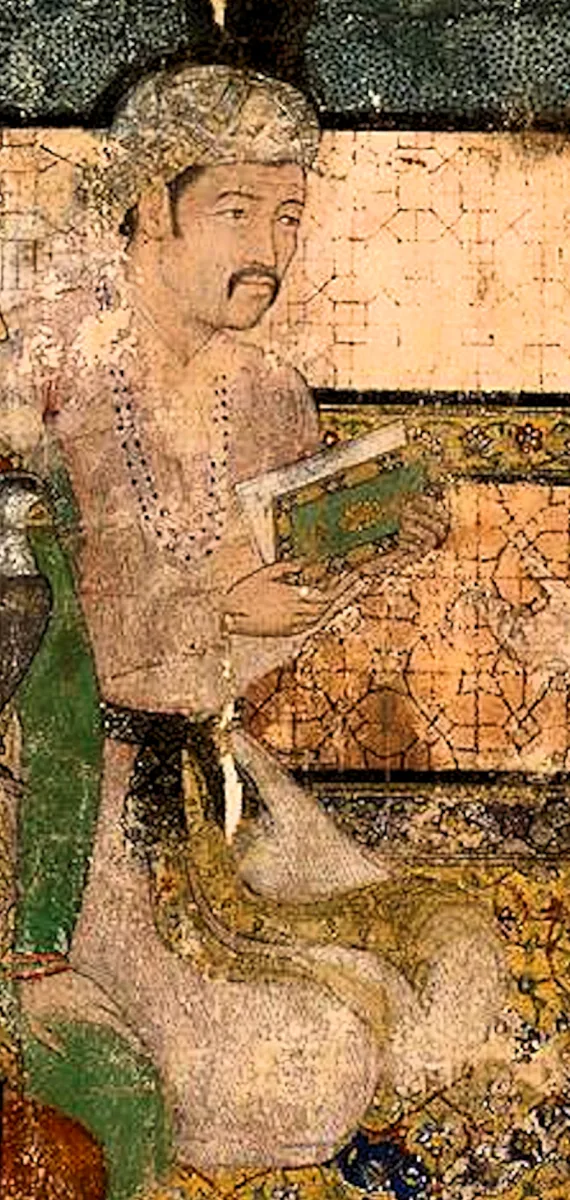
Akbar
Third Mughal emperor, known for expansion and religious tolerance
- Lived
- 63 yrs
- 1542 – 1605
- Works listed
- 2
- City, Book
- Honours
- 0
- Awards & distinctions
- Profile views
- 2
- 0 followers
Akbar was the third Mughal emperor, ruling from 1556 to 1605. He expanded the empire across most of northern and central India, built an efficient administration and pursued a policy of religious tolerance, hosting debates among scholars of different faiths. He is remembered as one of India’s greatest rulers.
Biography
A boy emperor
Akbar was born in Umerkot while his father Humayun was in exile. He became emperor at thirteen in 1556, when Humayun died, and his regent Bairam Khan secured the throne by defeating the general Hemu at the Second Battle of Panipat that year.
Building an empire
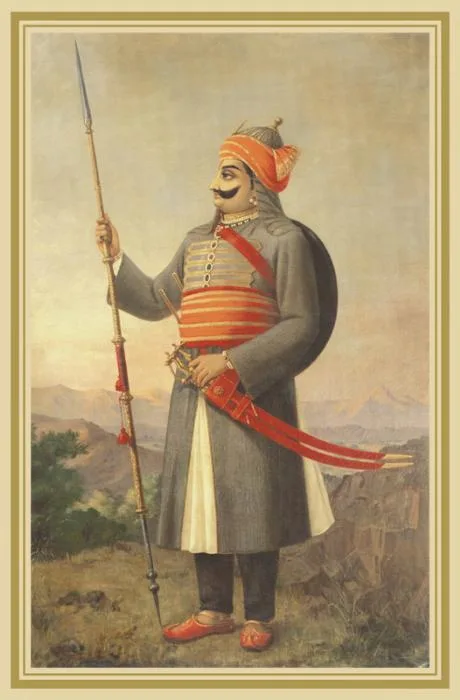
Through conquest and alliances, Akbar extended Mughal rule over Rajasthan, Gujarat, Bengal, Kashmir and parts of the Deccan. He married Rajput princesses and appointed Rajput rulers such as Man Singh to high office, while facing resistance from rulers such as Maharana Pratap of Mewar.
Administration
With his finance minister Todar Mal he reformed land revenue, and his mansabdari system ranked officials for the army and civil service. His court historian Abul Fazl recorded his reign in the Akbarnama, and his court included the musician Tansen and the witty minister Birbal.
Tolerance
In 1564 he abolished the jizya tax on non-Muslims. At his new capital, Fatehpur Sikri, he built the Ibadat Khana, where Muslim, Hindu, Jain, Zoroastrian and Christian scholars debated religion, and he promoted sulh-i-kul, “peace with all”. Although he never learnt to read, he built a vast library. He died in Agra on 27 October 1605 and was succeeded by his son Jahangir.
Timeline
-
1542
Born in Umerkot, Sindh (now Pakistan)
-
1542
Born in Umerkot
-
1556
Becomes emperor; Second Battle of Panipat
-
1564
Abolishes the jizya
-
1571
Begins building Fatehpur Sikri
-
1575
Builds the Ibadat Khana
-
1576
Battle of Haldighati
-
1605
Dies in Agra
-
1605
Died, aged 63
Notable works
-
1571
Fatehpur Sikri City
-
—
Akbarnama Book
Chronicle of his reign by Abul Fazl.
Did you know?
-
1
He became emperor at thirteen.
-
2
He is believed never to have learnt to read.
-
3
His court included the musician Tansen and the minister Birbal.
Connections
Related people

Frequently asked
Who is Akbar?
Akbar was the third Mughal emperor, ruling from 1556 to 1605. He expanded the empire across most of northern and central India, built an efficient administration and pursued a policy of religious tolerance, hosting debates among scholars of different faiths. He is remembered as one of India’s greatest rulers.
When did Akbar die?
Akbar died on 15 October 1605 at the age of 63.
Where is Akbar from?
Akbar was born in Umerkot, Sindh (now Pakistan).
What is Akbar known for?
Akbar is best known for Expanding the Mughal Empire; abolishing the jizya; Fatehpur Sikri; the Ibadat Khana debates.
References
- Akbar — Wikipedia. Wikipedia. Retrieved 27 October 2026.
- Akbar — Britannica. Encyclopaedia Britannica. Retrieved 27 October 2026.
- Akbar — Hindi Wikipedia. Wikipedia (Hindi). Retrieved 27 October 2026.
- Akbar (Q8597) — structured data. Wikidata. Retrieved 27 October 2026.
Includes material from the Wikipedia article “Akbar”, licensed under CC BY-SA 4.0. That text is available under the same licence. Learn more
External links
About this profile
- Researched by the TrackFame editorial team; reviewed by Sanjay Sokal under our editorial policy
- First published 27 October 2026
- Last updated
Cite this page
“Akbar.” TrackFame, last updated 28 October 2026. https://trackfame.com/person/akbar
Discussion 0
Sign in or create an account to join the discussion.
No comments yet — be the first.
More in Historical Figures
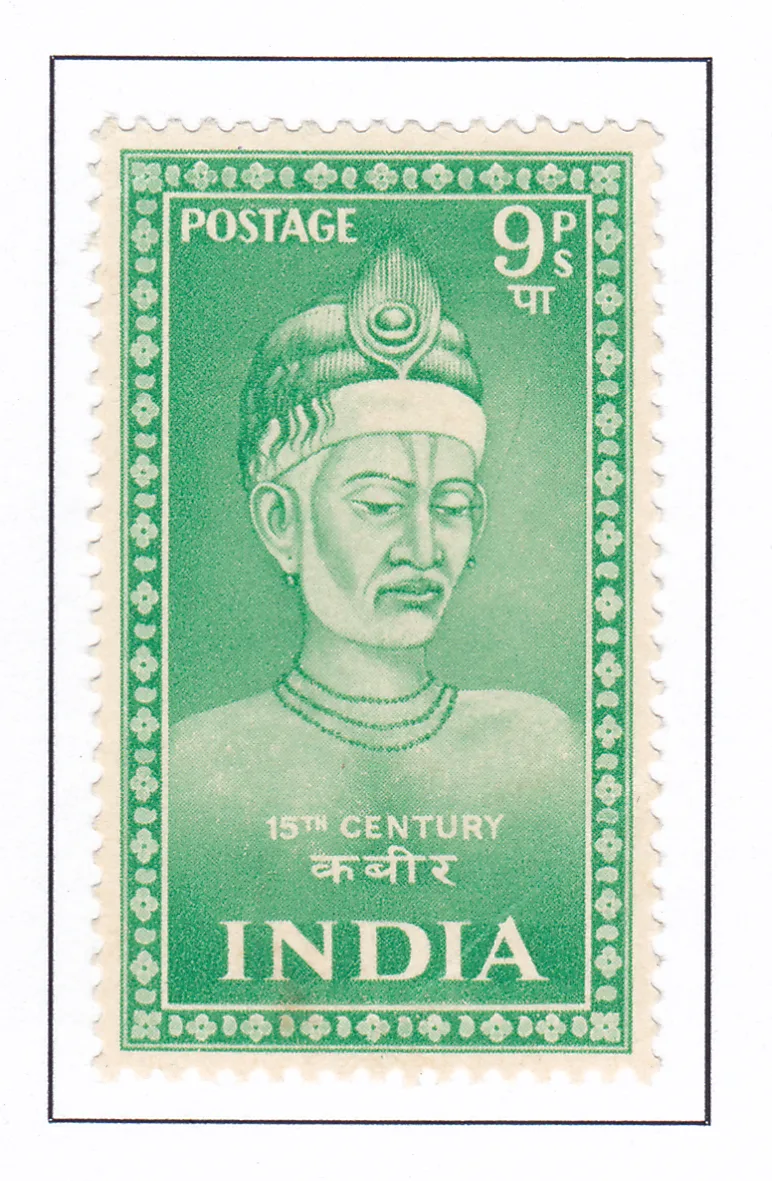 Literature
Kabir
Fifteenth-century poet-saint of the Bhakti movement
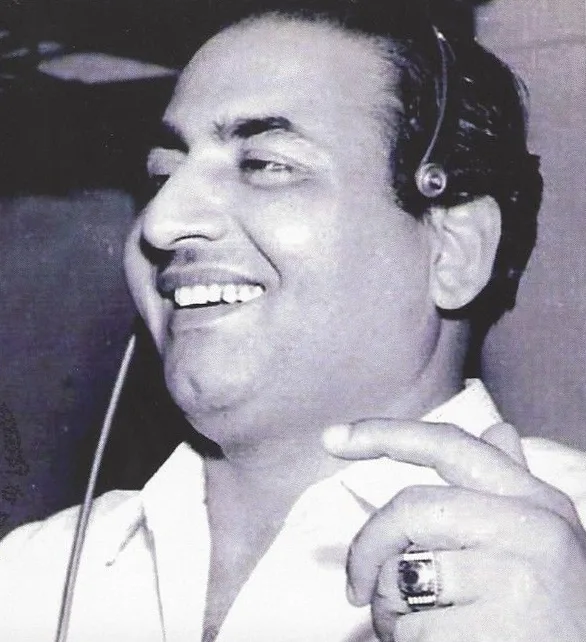 Film & TV
Mohammed Rafi
Playback singer of Hindi cinema’s golden age
1924 – 1980
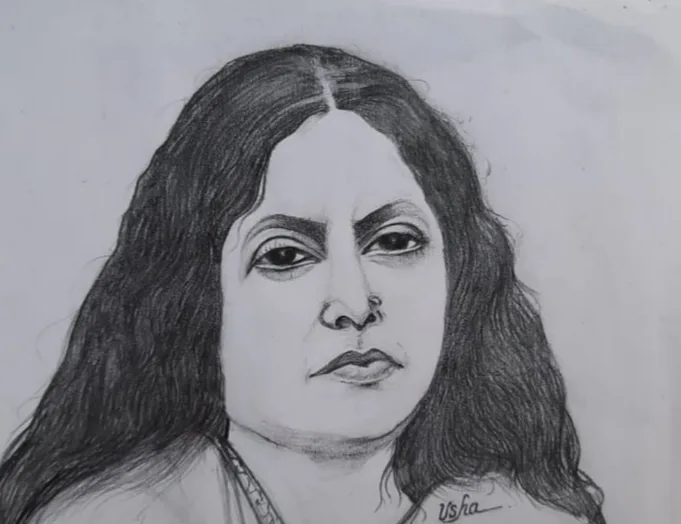 Literature
Kamala Das
Poet in English and short-story writer in Malayalam
1934 – 2009
 Activism & Humanitarian
Sunderlal Bahuguna
Environmentalist and leader of the Chipko movement
1927 – 2021
 Science
Meghnad Saha
Astrophysicist known for the Saha ionisation equation
1893 – 1956
 Business
Jamsetji Tata
Founder of the Tata Group and pioneer of Indian industry
1839 – 1904