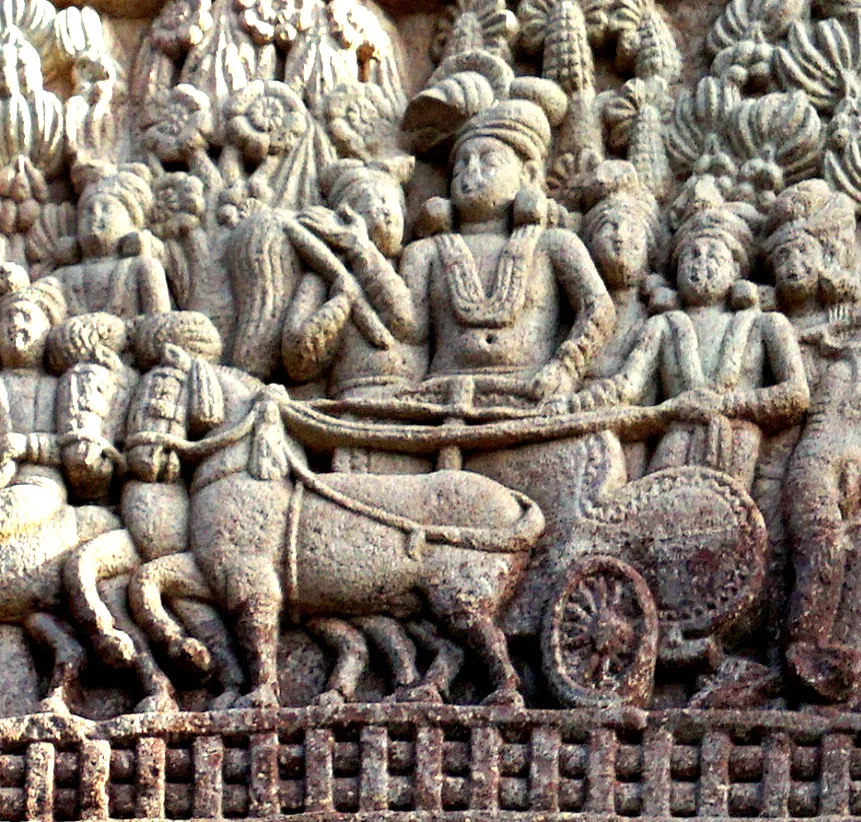
Ashoka
Mauryan emperor who embraced Buddhism and spread his edicts across India
- Works listed
- 3
- Inscription, Sculpture
- Honours
- 0
- Awards & distinctions
- Profile views
- 2
- 0 followers
Ashoka was the third emperor of the Maurya dynasty, ruling most of the Indian subcontinent in the third century BCE. After the bloody conquest of Kalinga he embraced Buddhism and governed by dhamma, recording his ideas in edicts carved across his empire. The Lion Capital from one of his pillars is India’s national emblem.
Biography
Becoming emperor
Ashoka was the grandson of Chandragupta Maurya, founder of the Maurya Empire, and the son of Bindusara. Buddhist texts say he fought his brothers for the throne after his father’s death and was crowned around 268 BCE, ruling from Pataliputra.
Kalinga
Around 261 BCE Ashoka conquered Kalinga, on India’s east coast, in a war that, by his own account, killed or displaced hundreds of thousands of people. In one of his edicts he expresses deep remorse for the suffering it caused — a rare confession by an ancient ruler.
Rule by dhamma
Ashoka turned to Buddhism and to dhamma, a moral code of non-violence, tolerance, respect for elders and care for animals. He had his messages carved on rocks and polished stone pillars across the empire, in the Brahmi and Kharosthi scripts and in Greek and Aramaic in the north-west. He sent missionaries abroad, including, according to tradition, his son Mahinda to Sri Lanka.
Rediscovery and legacy
After his death the empire declined, and Ashoka was largely forgotten in India until the British scholar James Prinsep deciphered the Brahmi script of his edicts in 1837. The Lion Capital of his pillar at Sarnath became India’s national emblem, and the dharma wheel from his pillars sits at the centre of the national flag.
Why they matter
Ashoka is unusual among ancient conquerors because he left a public record of remorse. His edicts, carved in stone across the subcontinent, set out an ethics of non-violence, tolerance and welfare that historians often compare with modern ideas of good government. His patronage helped Buddhism spread from India to Sri Lanka and beyond. When independent India chose its national emblem and the wheel on its flag, it reached back two thousand years to Ashoka — a measure of how strongly he represents the idea of a just Indian state.
Timeline
-
268 BCE
Crowned emperor (approximate)
-
261 BCE
Conquest of Kalinga (approximate)
-
250 BCE
Third Buddhist council at Pataliputra (traditional date)
-
232 BCE
Death (approximate)
-
1837
James Prinsep deciphers his edicts
-
1950
Lion Capital adopted as India’s national emblem
Notable works
-
—
Rock Edicts Inscription
-
—
Pillar Edicts Inscription
-
—
Lion Capital of Sarnath Sculpture
Commissioned during his reign.
Did you know?
-
1
His edicts are among the oldest surviving written documents in India.
-
2
The wheel on India’s flag comes from his pillars.
-
3
His name was forgotten in India for centuries until 1837.
Connections
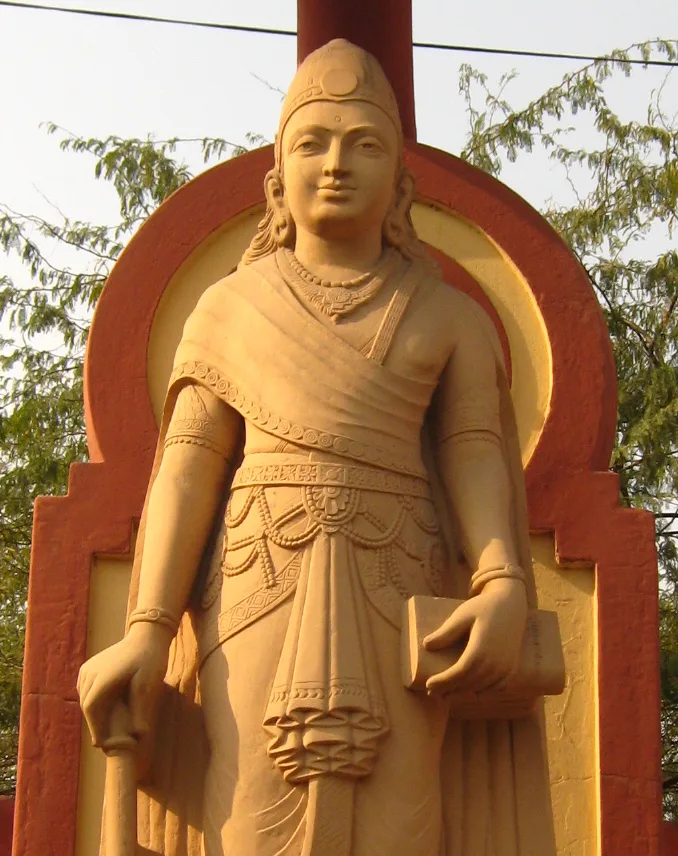
Frequently asked
Who is Ashoka?
Ashoka was the third emperor of the Maurya dynasty, ruling most of the Indian subcontinent in the third century BCE. After the bloody conquest of Kalinga he embraced Buddhism and governed by dhamma, recording his ideas in edicts carved across his empire. The Lion Capital from one of his pillars is India’s national emblem.
Where is Ashoka from?
Ashoka was born in Pataliputra, Maurya Empire (near present-day Patna).
What is Ashoka known for?
Ashoka is best known for The Kalinga war and his turn to Buddhism; rock and pillar edicts; the Lion Capital of Sarnath.
References
- Ashoka — Wikipedia. Wikipedia. Retrieved 27 October 2026.
- Ashoka — Britannica. Encyclopaedia Britannica. Retrieved 27 October 2026.
- Ashoka — Hindi Wikipedia. Wikipedia (Hindi). Retrieved 27 October 2026.
- Ashoka (Q8589) — structured data. Wikidata. Retrieved 27 October 2026.
Includes material from the Wikipedia article “Ashoka”, licensed under CC BY-SA 4.0. That text is available under the same licence. Learn more
External links
About this profile
- Researched by the TrackFame editorial team; reviewed by Sanjay Sokal under our editorial policy
- First published 27 October 2026
- Last updated
Cite this page
“Ashoka.” TrackFame, last updated 28 October 2026. https://trackfame.com/person/ashoka
Discussion 0
Sign in or create an account to join the discussion.
No comments yet — be the first.
More in Historical Figures
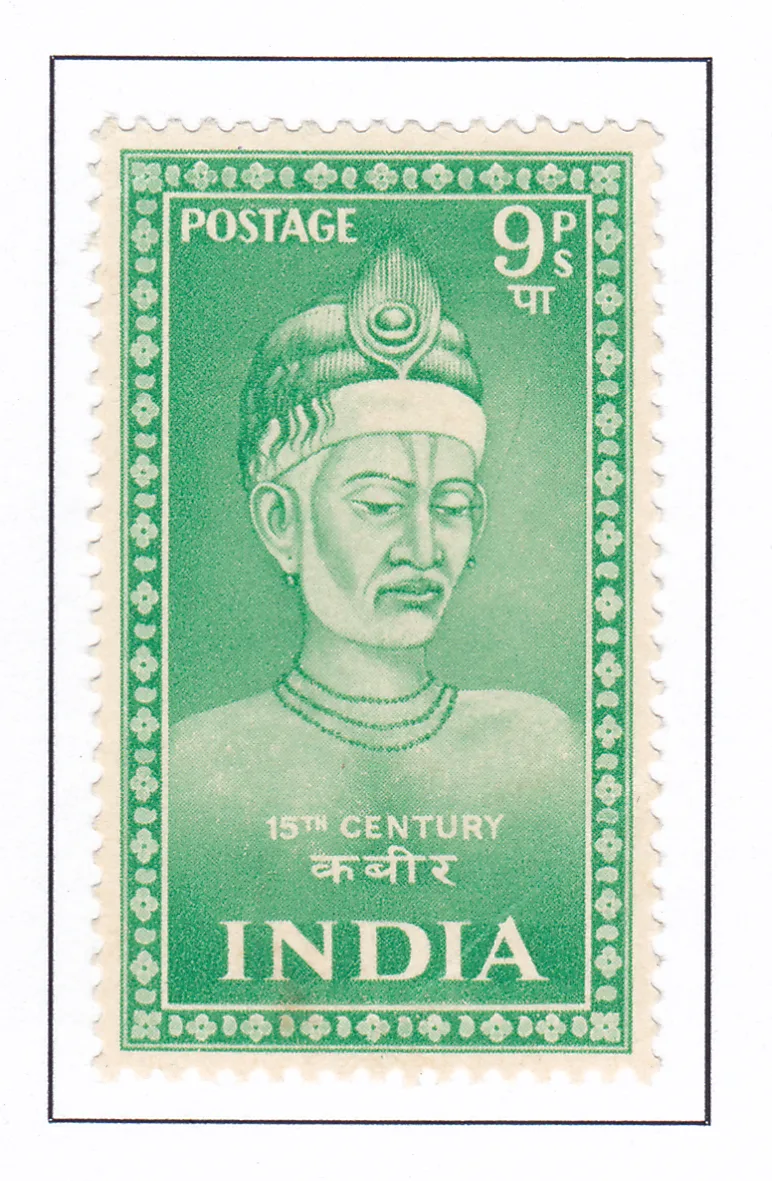 Literature
Kabir
Fifteenth-century poet-saint of the Bhakti movement
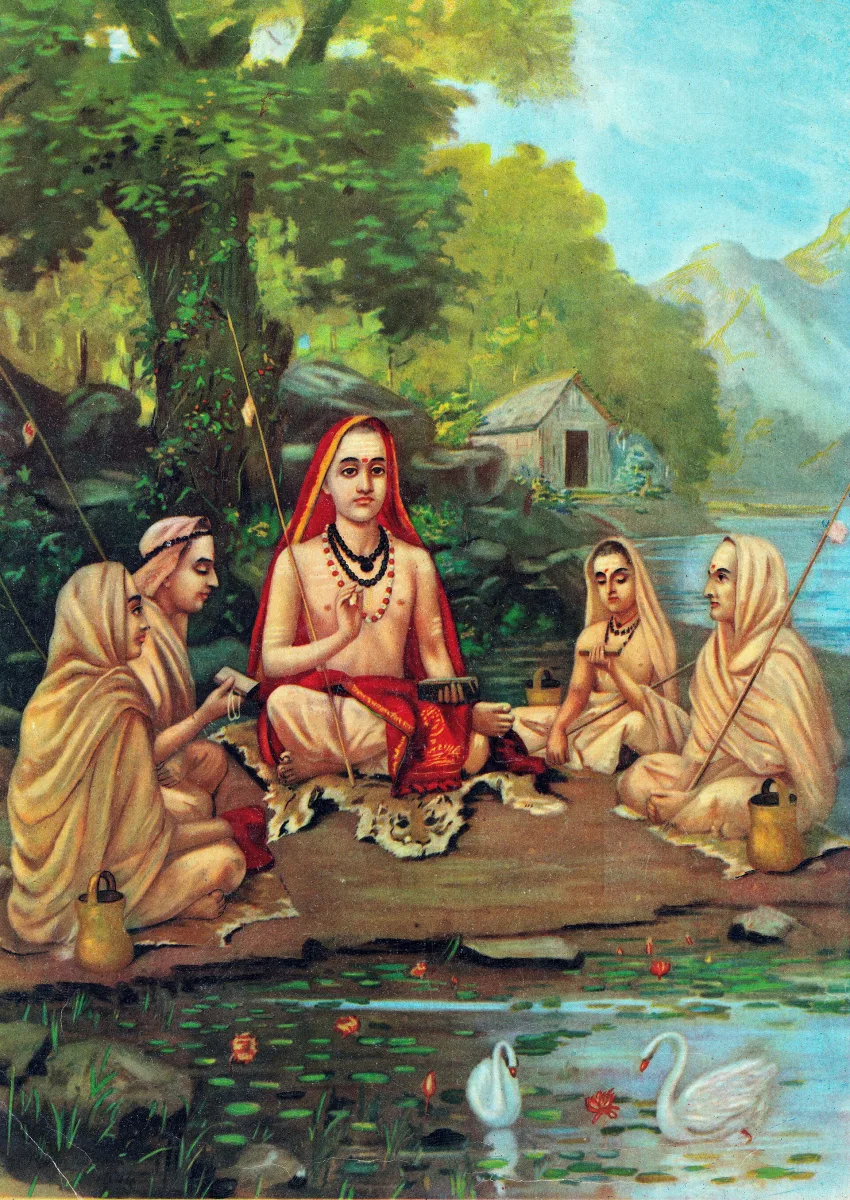 Historical Figures
Adi Shankara
Philosopher who consolidated Advaita Vedanta
 Activism & Humanitarian
Ram Mohan Roy
Social reformer known as the father of the Bengal Renaissance
1772 – 1833
 Historical Figures
Paramahansa Yogananda
Yogi who brought Kriya Yoga to the West and wrote Autobiography of a Yogi
1893 – 1952
 Historical Figures
Ramakrishna
Mystic and saint of nineteenth-century Bengal, guru of Swami Vivekananda
1836 – 1886
 Historical Figures
Guru Nanak
Founder of Sikhism and the first of the ten Sikh Gurus
1469 – 1539