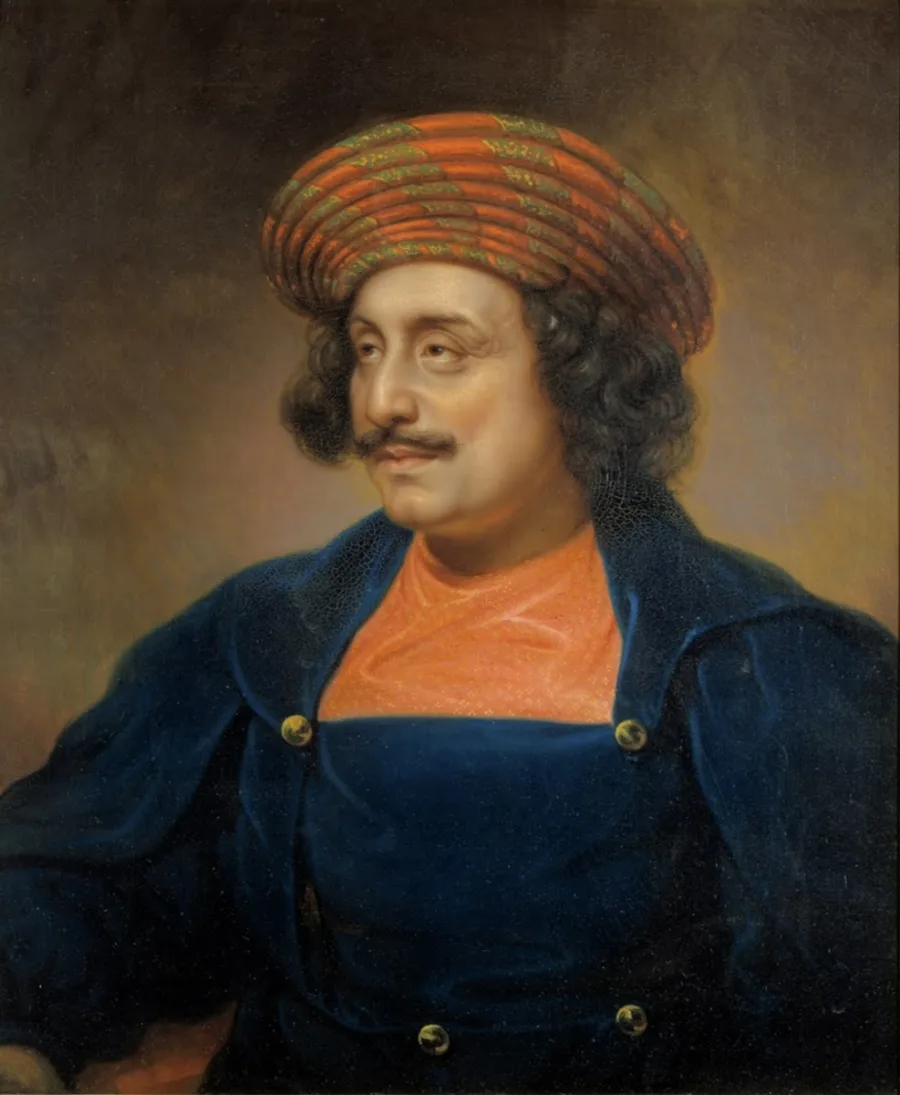
Ram Mohan Roy
Social reformer known as the father of the Bengal Renaissance
- Lived
- 61 yrs
- 1772 – 1833
- Works listed
- 0
- Career highlights
- Honours
- 0
- Awards & distinctions
- Profile views
- 2
- 0 followers
Ram Mohan Roy was a social and religious reformer whose campaign against sati, the burning of widows, helped bring about its ban in 1829. He founded the Brahmo Sabha, promoted modern education and a free press, and is often called the father of the Indian Renaissance. He died in England in 1833.
Biography
Scholar
Ram Mohan Roy was born into a Brahmin family in Bengal and learnt Persian and Arabic in Patna and Sanskrit in Varanasi, later adding English, Hebrew and Greek. He worked for the East India Company before settling in Calcutta in 1815 to devote himself to reform.
Against sati
Having seen his sister-in-law forced onto her husband’s funeral pyre, he campaigned for years against sati, arguing that it had no basis in the scriptures. His petitions supported Governor-General William Bentinck’s Bengal Sati Regulation of 1829, which banned the practice.
Religion and education
Roy translated the Upanishads into Bengali and English and argued for the worship of one God without idols. In 1828 he founded the Brahmo Sabha, later the Brahmo Samaj. He supported English-language and scientific education, helped set up schools in Calcutta and published newspapers in Bengali and Persian, defending press freedom.
England
The Mughal emperor Akbar II gave him the title “Raja” and sent him to England in 1830 to argue for an increase in his pension. There he also lobbied on Indian affairs. He died of meningitis in Bristol on 27 September 1833 and is buried there.
Timeline
-
1772
Born in Radhanagar, Hooghly district, Bengal
-
1815
Settles in Calcutta
-
1822
Launches the Persian newspaper Mirat-ul-Akhbar
-
1828
Founds the Brahmo Sabha
-
1829
Sati banned in Bengal
-
1830
Sails to England
-
1833
Dies in Bristol
-
1833
Died, aged 61
Did you know?
-
1
He knew Bengali, Sanskrit, Persian, Arabic, English, Hebrew and Greek.
-
2
He is buried in Bristol, England.
-
3
The title “Raja” was given to him by the Mughal emperor.
Connections
Frequently asked
Who is Ram Mohan Roy?
Ram Mohan Roy was a social and religious reformer whose campaign against sati, the burning of widows, helped bring about its ban in 1829. He founded the Brahmo Sabha, promoted modern education and a free press, and is often called the father of the Indian Renaissance. He died in England in 1833.
When did Ram Mohan Roy die?
Ram Mohan Roy died on 27 September 1833 at the age of 61.
Where is Ram Mohan Roy from?
Ram Mohan Roy was born in Radhanagar, Hooghly district, Bengal.
What is Ram Mohan Roy known for?
Ram Mohan Roy is best known for Campaigning against sati; founding the Brahmo Sabha; promoting modern education and a free press.
References
- Ram Mohan Roy — Wikipedia. Wikipedia. Retrieved 27 October 2026.
- Ram Mohan Roy — Britannica. Encyclopaedia Britannica. Retrieved 27 October 2026.
- Ram Mohan Roy — Hindi Wikipedia. Wikipedia (Hindi). Retrieved 27 October 2026.
- Ram Mohan Roy (Q335269) — structured data. Wikidata. Retrieved 27 October 2026.
Includes material from the Wikipedia article “Ram Mohan Roy”, licensed under CC BY-SA 4.0. That text is available under the same licence. Learn more
External links
Featured in
About this profile
- Researched by the TrackFame editorial team; reviewed by Sanjay Sokal under our editorial policy
- First published 27 October 2026
- Last updated
Cite this page
“Ram Mohan Roy.” TrackFame, last updated 28 October 2026. https://trackfame.com/person/ram-mohan-roy
Discussion 0
Sign in or create an account to join the discussion.
No comments yet — be the first.
More in Activism & Humanitarian
 Activism & Humanitarian
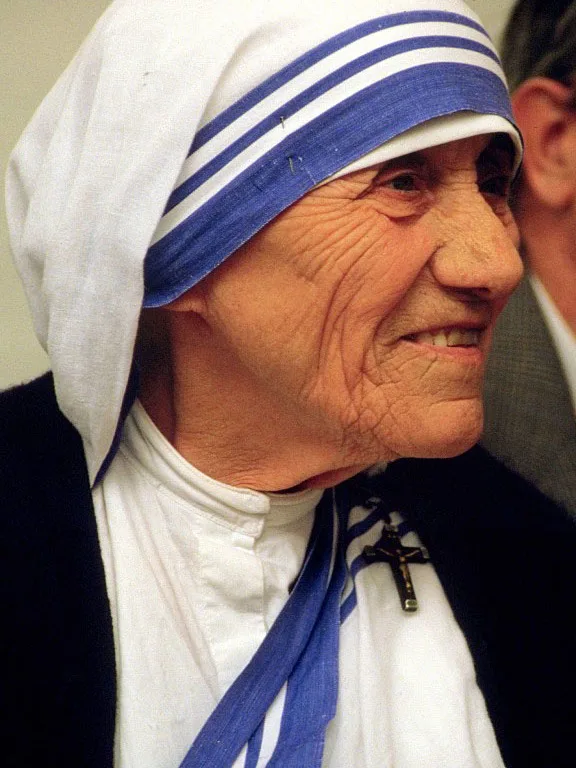
Mother Teresa
Founder of the Missionaries of Charity; Nobel Peace Prize laureate and Catholic saint
1910 – 1997
 Literature
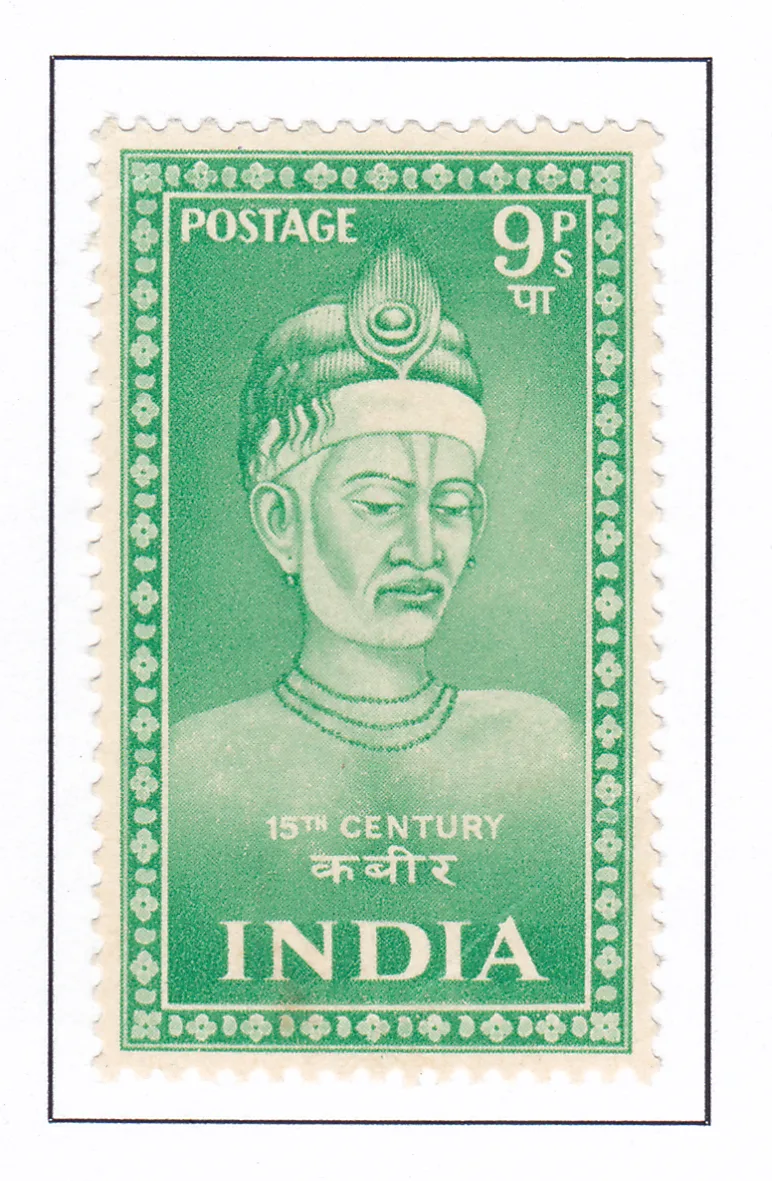
Kabir
Fifteenth-century poet-saint of the Bhakti movement
 Literature
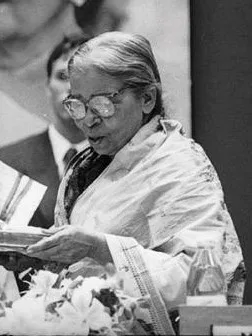
Mahasweta Devi
Bengali writer and activist for tribal communities
1926 – 2016
 Activism & Humanitarian
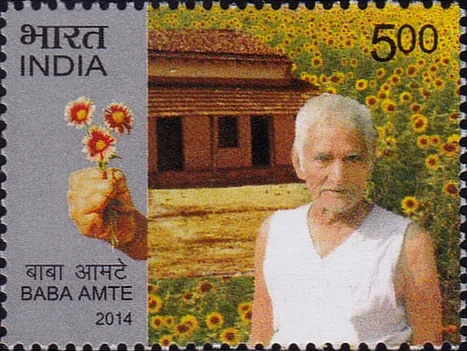
Baba Amte
Social worker who cared for people affected by leprosy
1914 – 2008
 Activism & Humanitarian
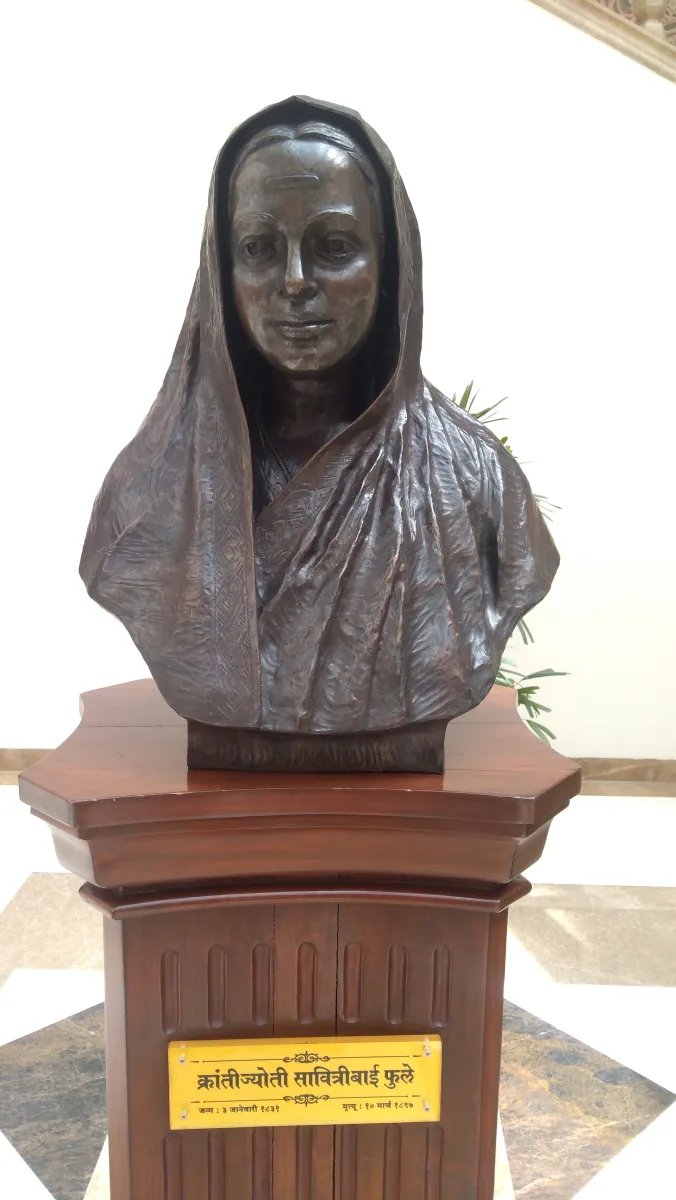
Savitribai Phule
Pioneer of women’s education and India’s first woman teacher
1831 – 1897
 Historical Figures
Adi Shankara
Philosopher who consolidated Advaita Vedanta