Freedom fighters every Indian should know
The struggle for independence took many forms — revolts, newspapers, non-violent protest and armed revolution. Meet the people who led it.
By the TrackFame editorial team 2 min read
India’s independence in 1947 was the result of nearly a century of struggle by people with very different ideas about how to win it. Some fought with swords, some with newspapers, some with non-violent protest and some with guns. Here are the leaders whose stories every Indian should know.
1857: the first great revolt
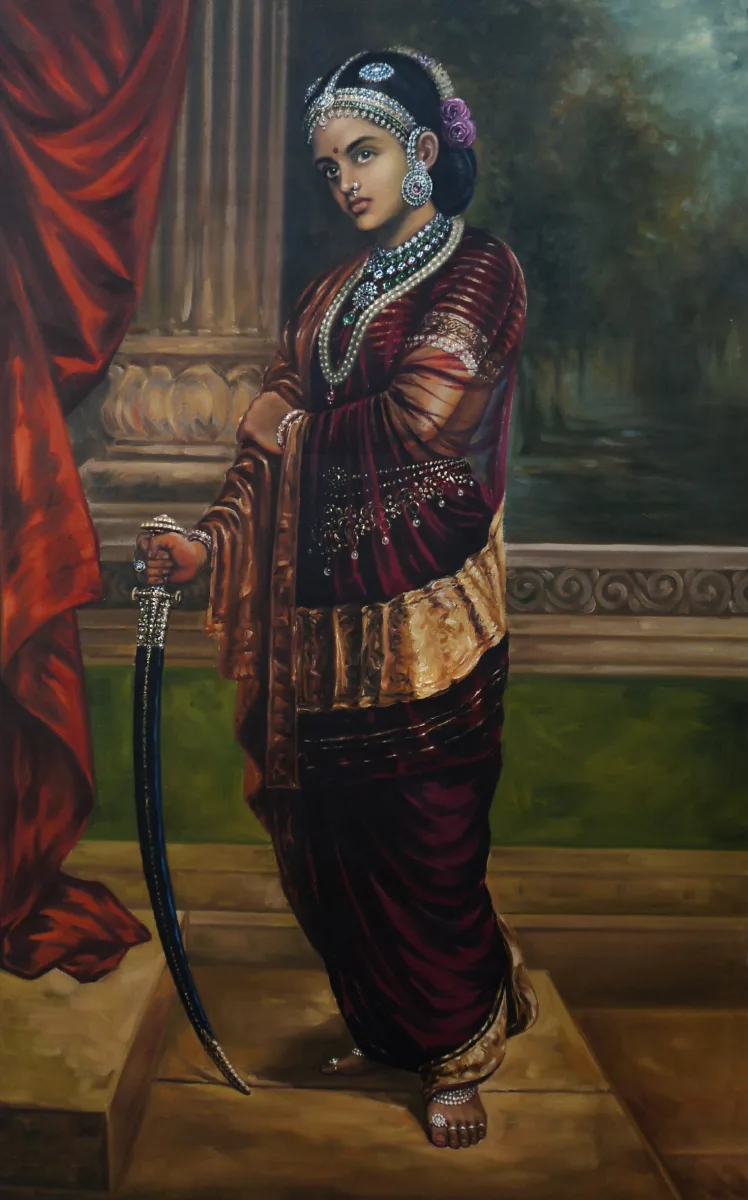
The uprising of 1857 was the first large-scale challenge to the East India Company. Among its leaders, Rani Lakshmibai of Jhansi became a legend after defending her city and dying in battle near Gwalior in 1858.
The reformers
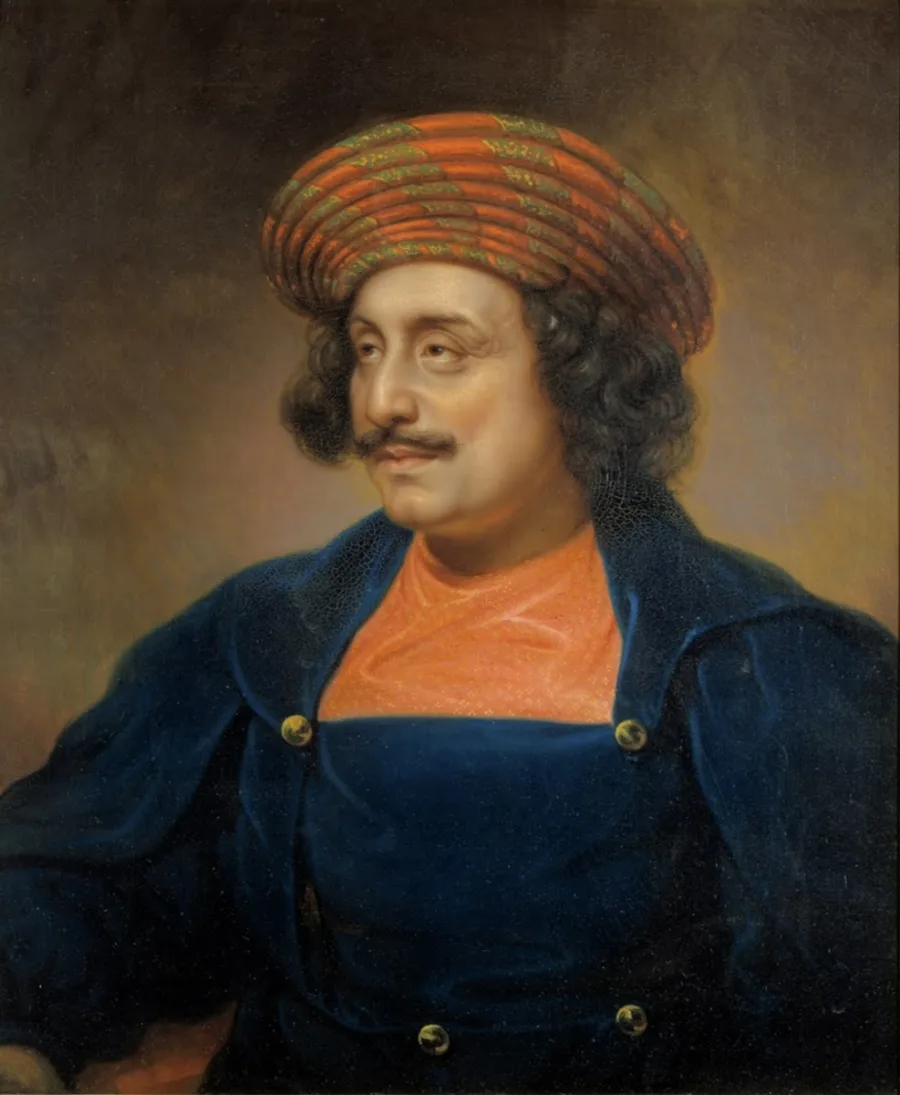
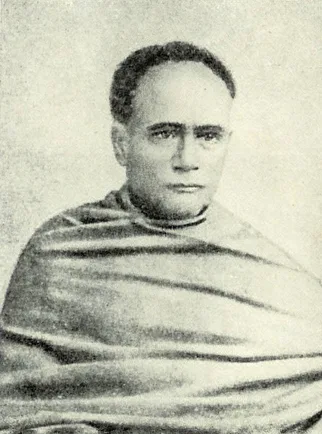
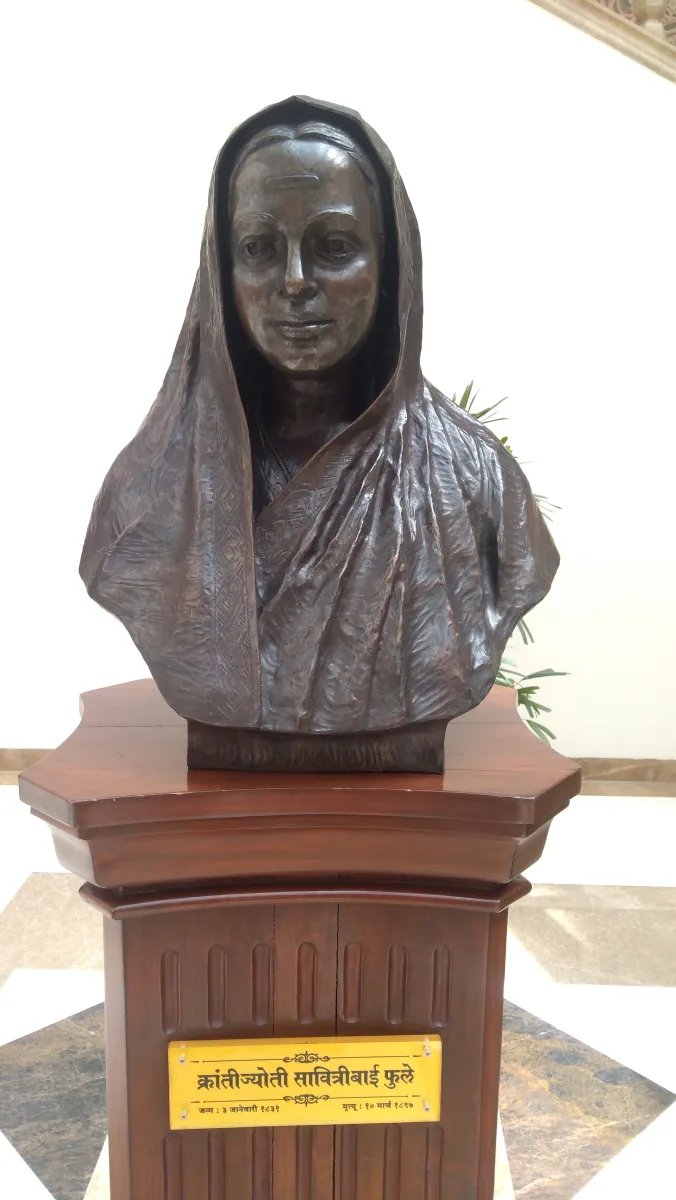
Before political independence came demands for social change. Ram Mohan Roy campaigned against sati and for modern education, and Ishwar Chandra Vidyasagar fought for the remarriage of widows. In Pune, Savitribai Phule opened schools for girls and fought caste discrimination.
The radicals: Lal, Bal and Pal
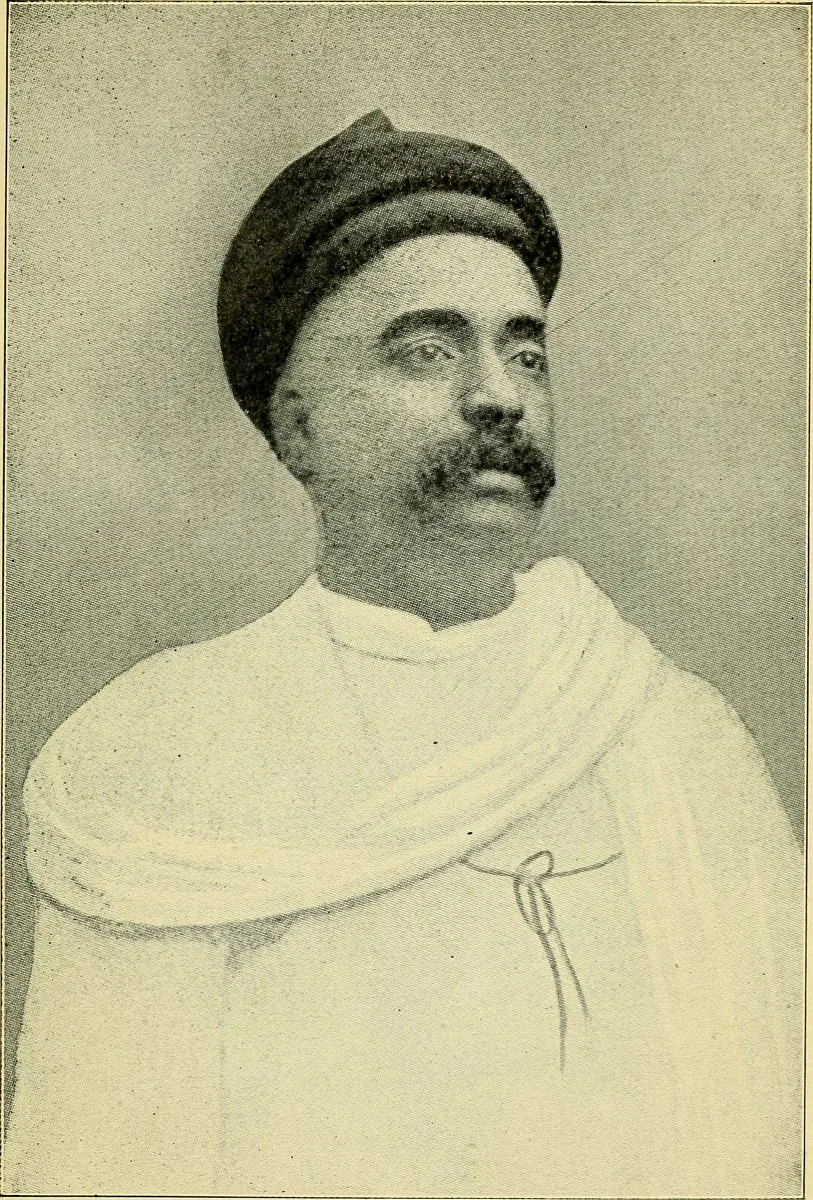
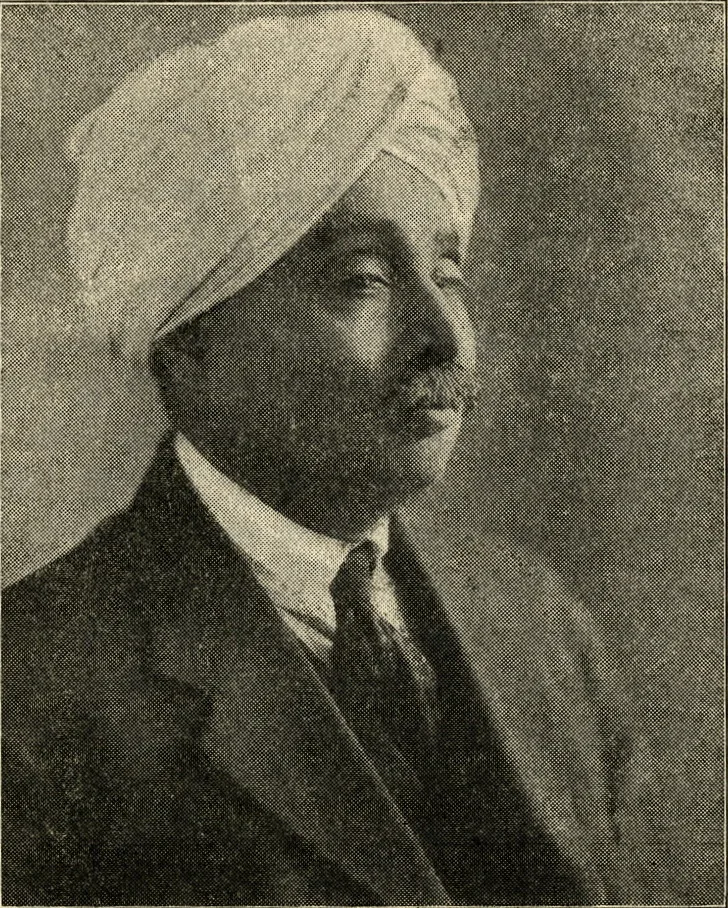
By the early twentieth century, some leaders demanded complete self-rule. Bal Gangadhar Tilak declared that swaraj was his birthright and used newspapers and public festivals to rally people. Lala Lajpat Rai, the Lion of Punjab, died after being beaten by police during a protest against the Simon Commission in 1928.
Gandhi and mass non-violence
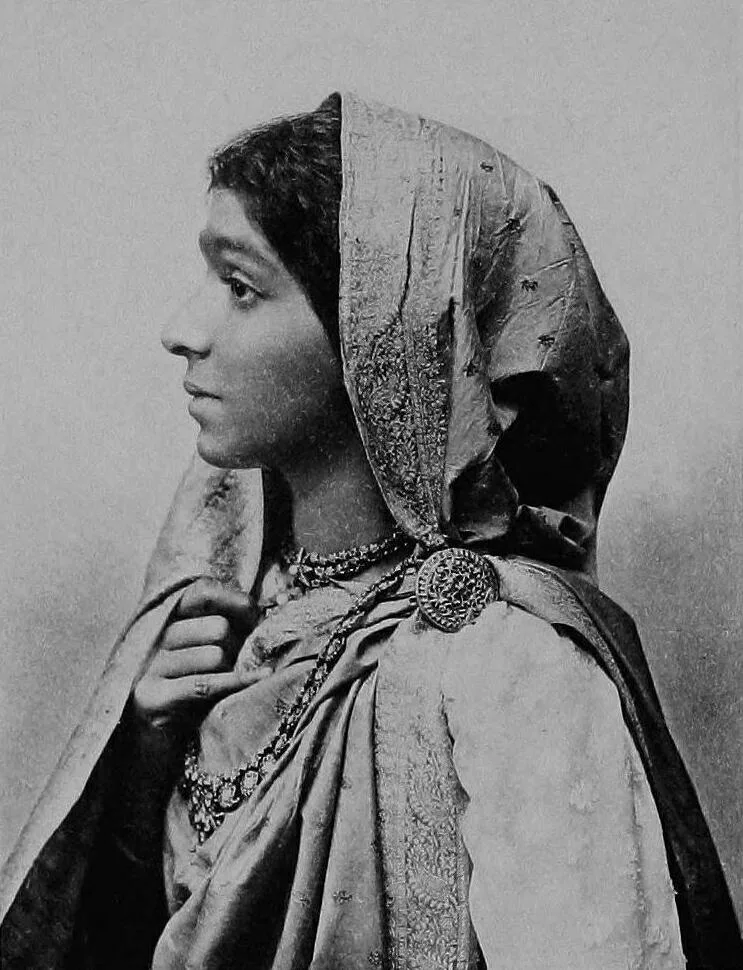
Mahatma Gandhi turned the freedom struggle into a mass movement through non-cooperation, the Salt March and Quit India. He was joined by leaders such as Jawaharlal Nehru, Vallabhbhai Patel and the poet Sarojini Naidu, who led the raid on the Dharasana salt works in 1930.
The revolutionaries
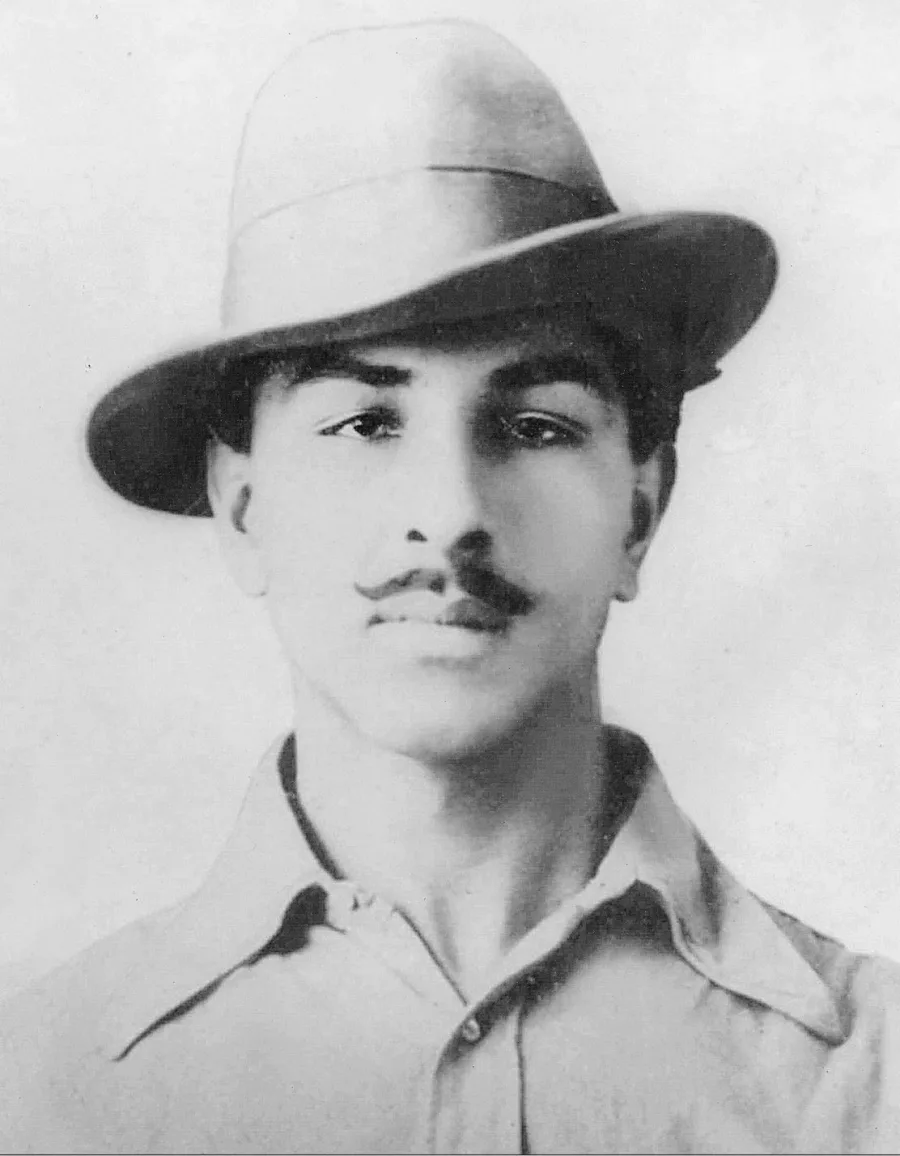
Young revolutionaries chose a different path. Bhagat Singh threw harmless bombs into the Central Legislative Assembly in 1929 to make the authorities listen and was hanged at 23. His comrade Chandra Shekhar Azad vowed never to be captured alive and kept that vow in Allahabad in 1931.
Netaji and the Indian National Army
Subhas Chandra Bose broke with the Congress leadership and sought foreign help to free India, leading the Indian National Army during the Second World War. He named its women’s regiment after the Rani of Jhansi.
The architect of equality
B. R. Ambedkar fought for the rights of the oppressed castes and went on to chair the committee that drafted the Constitution of India, embedding equality before the law.
Remembering them together
These leaders often disagreed — sometimes bitterly — about methods and goals. Yet each contributed to the same outcome. Remembering them together is a reminder that India’s freedom was won by many hands, from many regions, castes and faiths.
People in this article
Politics & Leadership
Bhagat Singh
Revolutionary executed by the British at 23
1907 – 1931
 Historical Figures
Rani Lakshmibai
Queen of Jhansi and a leader of the 1857 uprising
1828 – 1858
 Activism & Humanitarian
Ram Mohan Roy
Social reformer known as the father of the Bengal Renaissance
1772 – 1833
 Literature
Ishwar Chandra Vidyasagar
Educator and reformer who championed widow remarriage
1820 – 1891
 Activism & Humanitarian
Savitribai Phule
Pioneer of women’s education and India’s first woman teacher
1831 – 1897
 Politics & Leadership
Bal Gangadhar Tilak
Nationalist leader who declared “Swaraj is my birthright”
1856 – 1920
 Politics & Leadership
Lala Lajpat Rai
Nationalist leader known as the “Lion of Punjab”
1865 – 1928
 Politics & Leadership
Mahatma Gandhi
Leader of India’s independence movement and pioneer of non-violent resistance
1869 – 1948
 Politics & Leadership
Jawaharlal Nehru
First Prime Minister of India (1947–1964)
1889 – 1964
 Politics & Leadership
Vallabhbhai Patel
First Deputy Prime Minister and Home Minister of India
1875 – 1950
 Politics & Leadership
Sarojini Naidu
Poet, freedom fighter and first woman governor of an Indian state
1879 – 1949
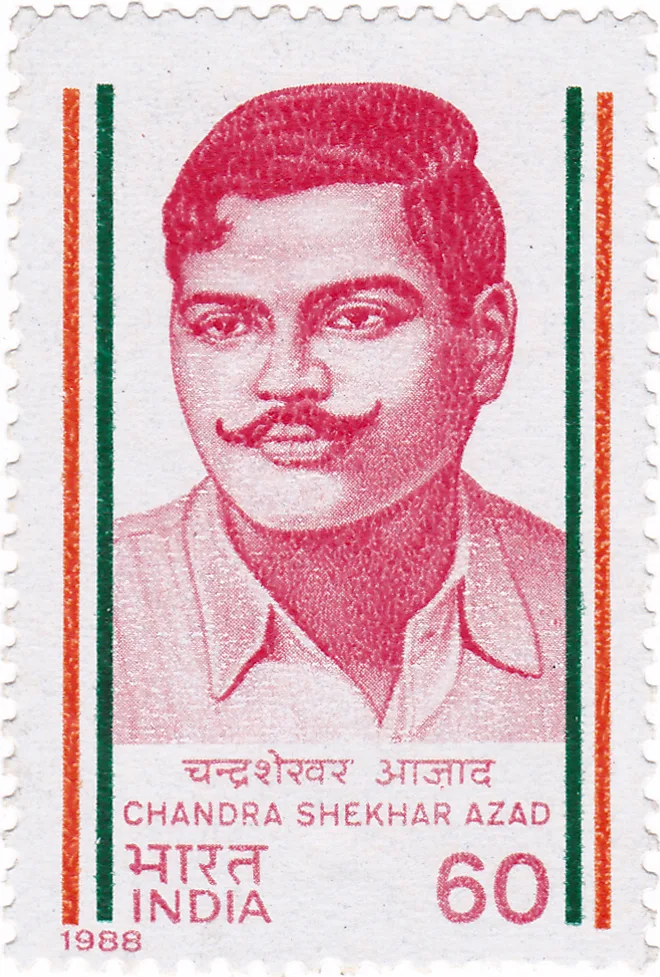 Historical Figures
Chandra Shekhar Azad
Revolutionary who vowed never to be captured alive
1906 – 1931
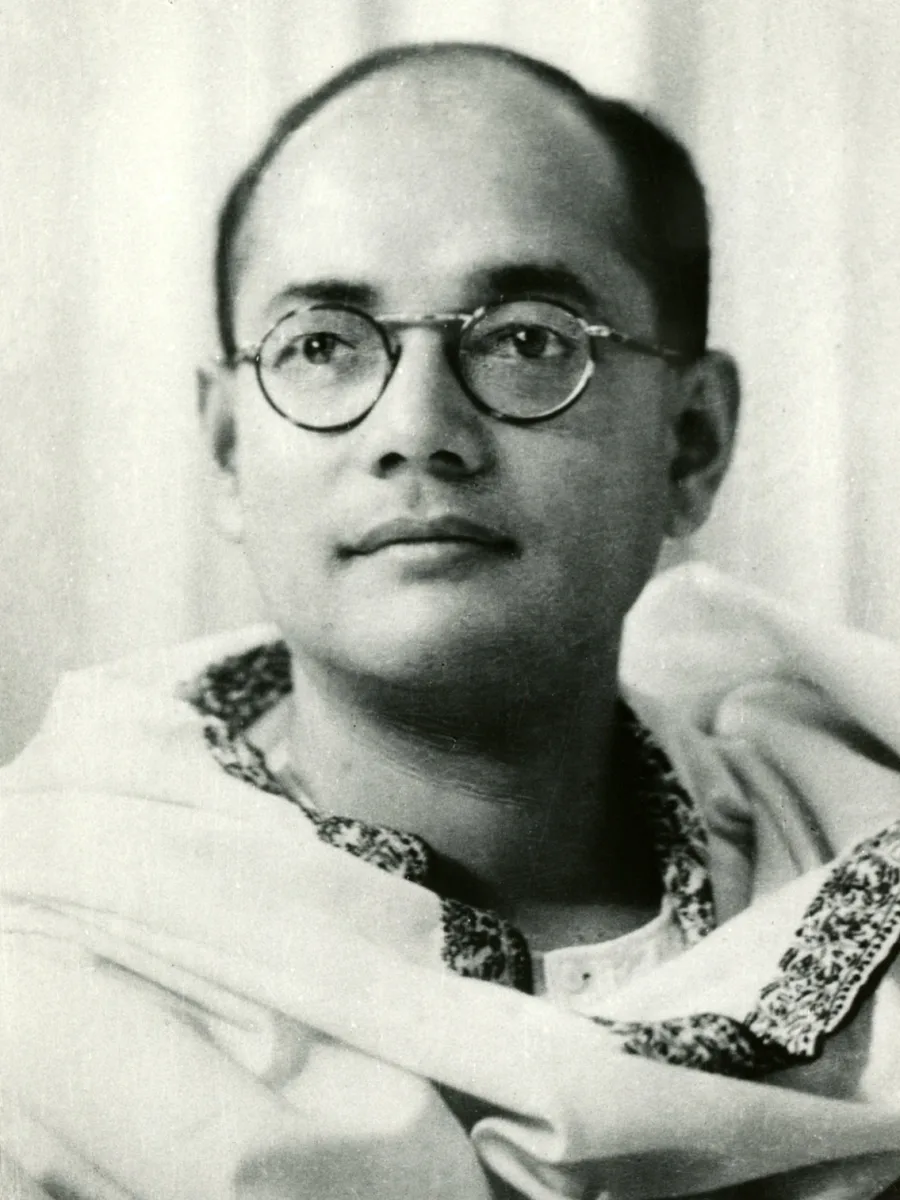 Politics & Leadership
Subhas Chandra Bose
Freedom fighter and leader of the Indian National Army
1897 – 1945
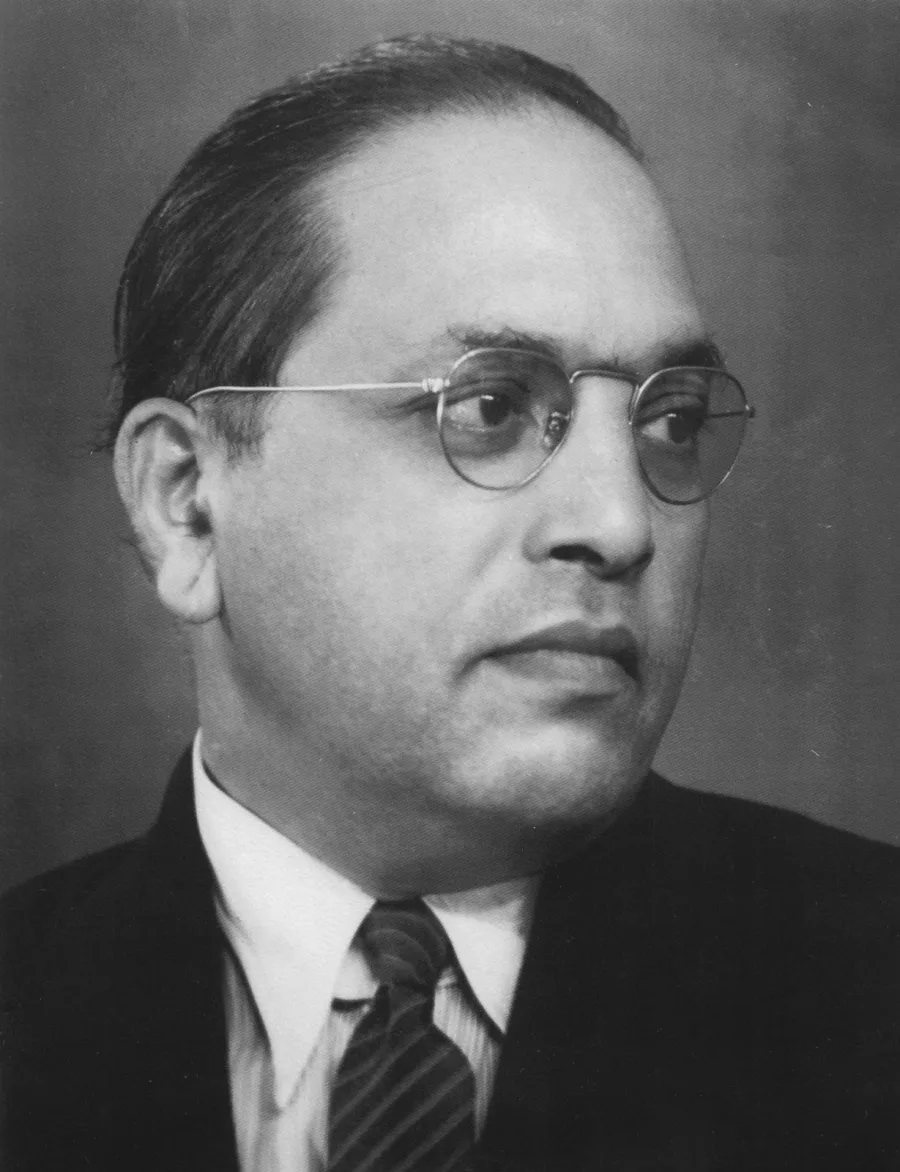 Politics & Leadership
B. R. Ambedkar
Principal architect of the Constitution of India and India’s first Law Minister
1891 – 1956
More articles
All articles
Film & TV
Bollywood under threat: from the blackbuck case to the Juhu firing
How a 1998 poaching case became the starting point of years of threats and shootings linked to film personalities — and how the industry and police have responded.
27 October 2026
Who is Lawrence Bishnoi? The jailed gangster linked to threats against Bollywood
Lawrence Bishnoi has been in jail since 2014, yet his name keeps appearing in investigations in India, Canada and the United States. Here is what is known, what is alleged and what is proven.
27 October 2026
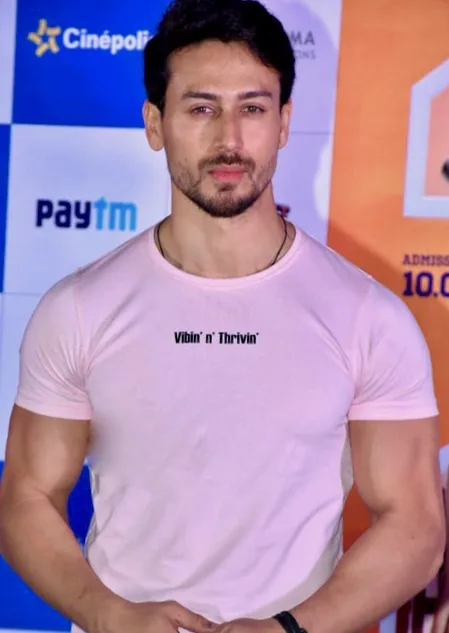
Film & TV
Firing at Tiger Shroff’s car in Juhu: what we know so far
A factual, dated account of the October 2026 firing at Tiger Shroff’s car in Mumbai — the incident, the arrests, the claims that police are still verifying, and what remains unknown.
27 October 2026