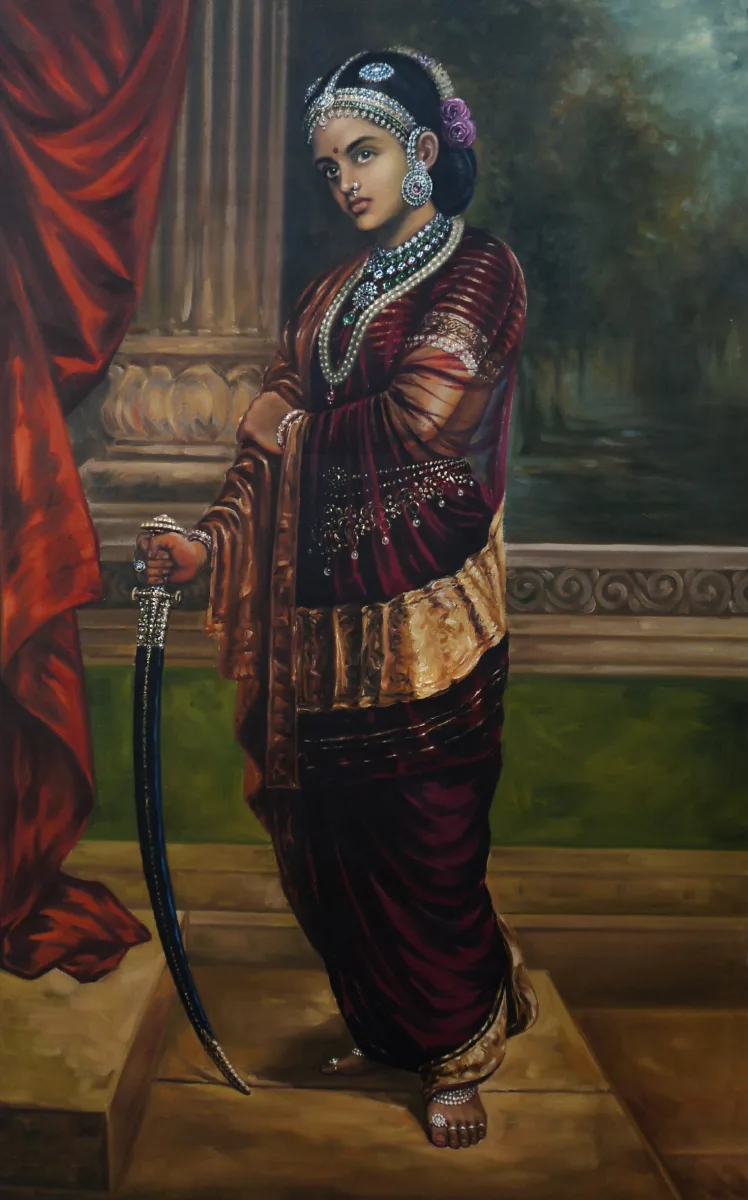
Rani Lakshmibai
Queen of Jhansi and a leader of the 1857 uprising
- Lived
- 29 yrs
- 1828 – 1858
- Works listed
- 0
- Career highlights
- Honours
- 0
- Awards & distinctions
- Profile views
- 2
- 0 followers
Rani Lakshmibai was the queen of the Maratha state of Jhansi and one of the leading figures of the Indian rebellion of 1857. After the British annexed Jhansi, she defended the city against British forces and died fighting near Gwalior in 1858. She became a lasting symbol of resistance to colonial rule.
Biography
Manu
Born Manikarnika and known as Manu, she grew up at the court of the Peshwa Baji Rao II in Bithoor, where she learnt riding, sword-fighting and shooting alongside the boys. In 1842 she married Gangadhar Rao, the Maharaja of Jhansi, and took the name Lakshmibai.
Annexation
Her only son died in infancy, and the couple adopted a boy, Damodar Rao, shortly before the Maharaja’s death in 1853. Under Governor-General Dalhousie’s Doctrine of Lapse, the East India Company refused to recognise the adoption and annexed Jhansi in 1854. She is remembered for declaring, “I will not give up my Jhansi.”
1857–58
When the rebellion broke out in 1857, she took control of Jhansi. In March 1858 British forces under Sir Hugh Rose besieged the city; after it fell she escaped on horseback, reportedly with Damodar Rao, to Kalpi, and with Tatya Tope captured the fortress of Gwalior.
Death and legacy
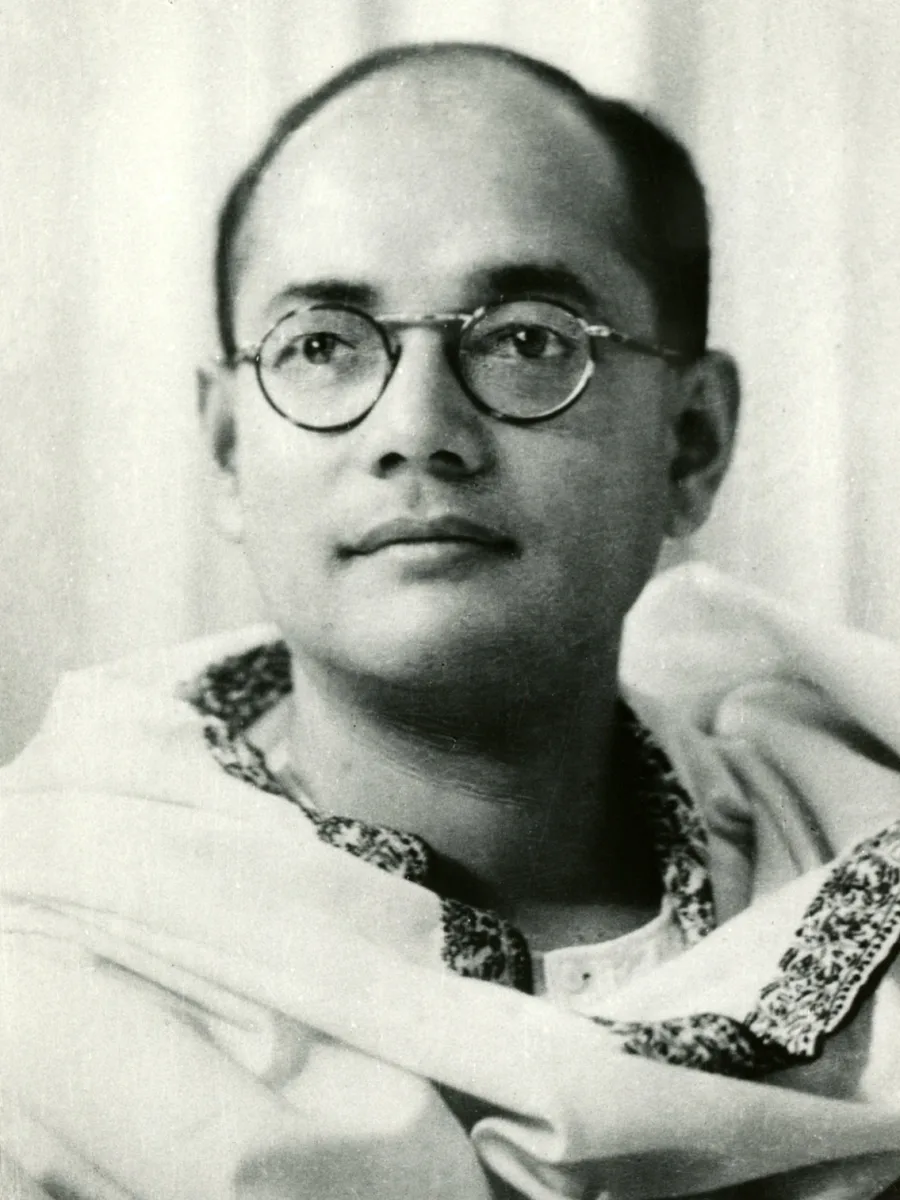
She was killed fighting British cavalry near Gwalior in June 1858. Sir Hugh Rose himself described her as the most dangerous of the rebel leaders. Subhadra Kumari Chauhan’s poem “Jhansi ki Rani” made her a heroine to generations of schoolchildren, and Subhas Chandra Bose named the women’s regiment of the Indian National Army after her.
Timeline
-
1828
Born in Varanasi
-
1842
Marries the Maharaja of Jhansi
-
1853
Death of her husband
-
1854
Jhansi annexed by the East India Company
-
1857
Takes control of Jhansi
-
1858
Siege of Jhansi; captures Gwalior; dies in battle
-
1858
Died, aged 29
Did you know?
-
1
She learnt horse riding and swordplay as a child.
-
2
The INA’s women’s regiment was named after her.
-
3
A famous Hindi poem about her is taught in schools across India.
Connections
Related people


Frequently asked
Who is Rani Lakshmibai?
Rani Lakshmibai was the queen of the Maratha state of Jhansi and one of the leading figures of the Indian rebellion of 1857. After the British annexed Jhansi, she defended the city against British forces and died fighting near Gwalior in 1858. She became a lasting symbol of resistance to colonial rule.
When did Rani Lakshmibai die?
Rani Lakshmibai died on 17 June 1858 at the age of 29.
Where is Rani Lakshmibai from?
Rani Lakshmibai was born in Varanasi.
What is Rani Lakshmibai known for?
Rani Lakshmibai is best known for Defending Jhansi against the British in 1858; dying in battle near Gwalior.
References
- Rani of Jhansi — Wikipedia. Wikipedia. Retrieved 27 October 2026.
- Rani of Jhansi — Britannica. Encyclopaedia Britannica. Retrieved 27 October 2026.
- Rani of Jhansi — Hindi Wikipedia. Wikipedia (Hindi). Retrieved 27 October 2026.
- Rani of Jhansi (Q181878) — structured data. Wikidata. Retrieved 27 October 2026.
Includes material from the Wikipedia article “Rani of Jhansi”, licensed under CC BY-SA 4.0. That text is available under the same licence. Learn more
External links
Featured in
About this profile
- Researched by the TrackFame editorial team; reviewed by Sanjay Sokal under our editorial policy
- First published 27 October 2026
- Last updated
Cite this page
“Rani Lakshmibai.” TrackFame, last updated 28 October 2026. https://trackfame.com/person/rani-lakshmibai
Discussion 0
Sign in or create an account to join the discussion.
No comments yet — be the first.
More in Historical Figures
 Literature
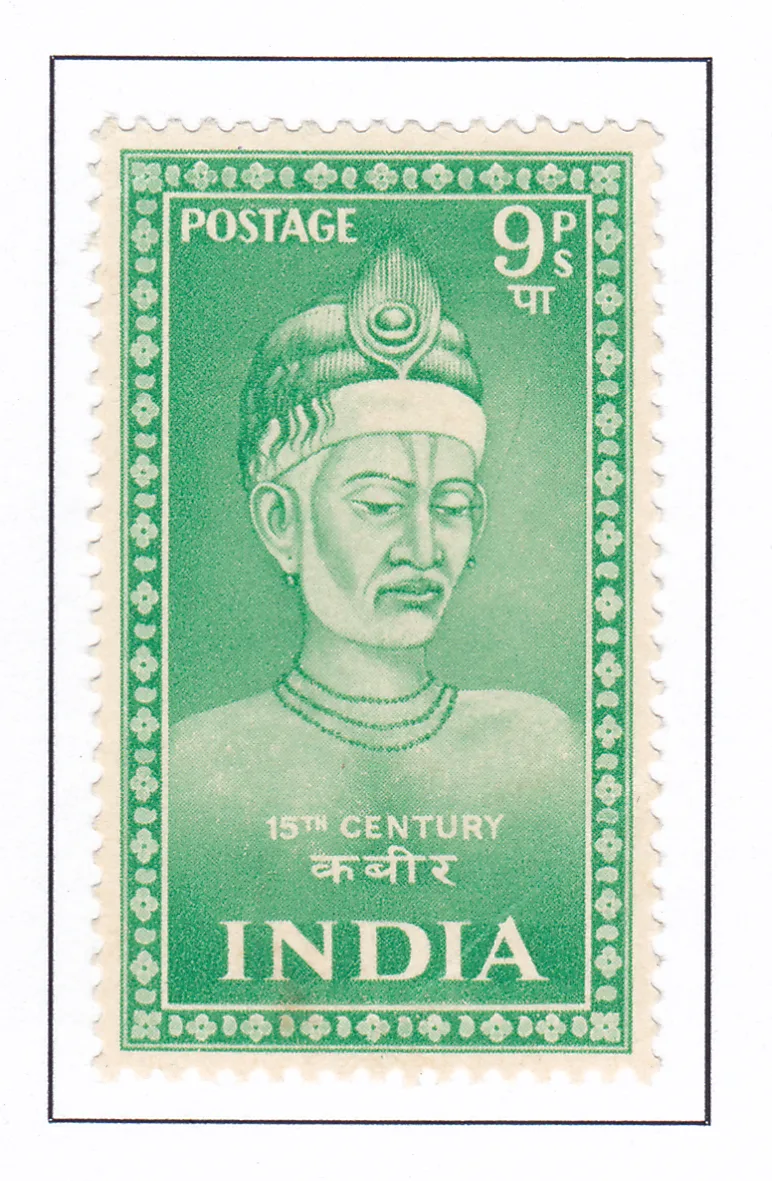
Kabir
Fifteenth-century poet-saint of the Bhakti movement
 Film & TV
Mohammed Rafi
Playback singer of Hindi cinema’s golden age
1924 – 1980
 Science
Meghnad Saha
Astrophysicist known for the Saha ionisation equation
1893 – 1956
 Science
Satish Dhawan
Aerospace engineer who led ISRO after Vikram Sarabhai
1920 – 2002
 Science
Subrahmanyan Chandrasekhar
Astrophysicist who discovered the Chandrasekhar limit
1910 – 1995
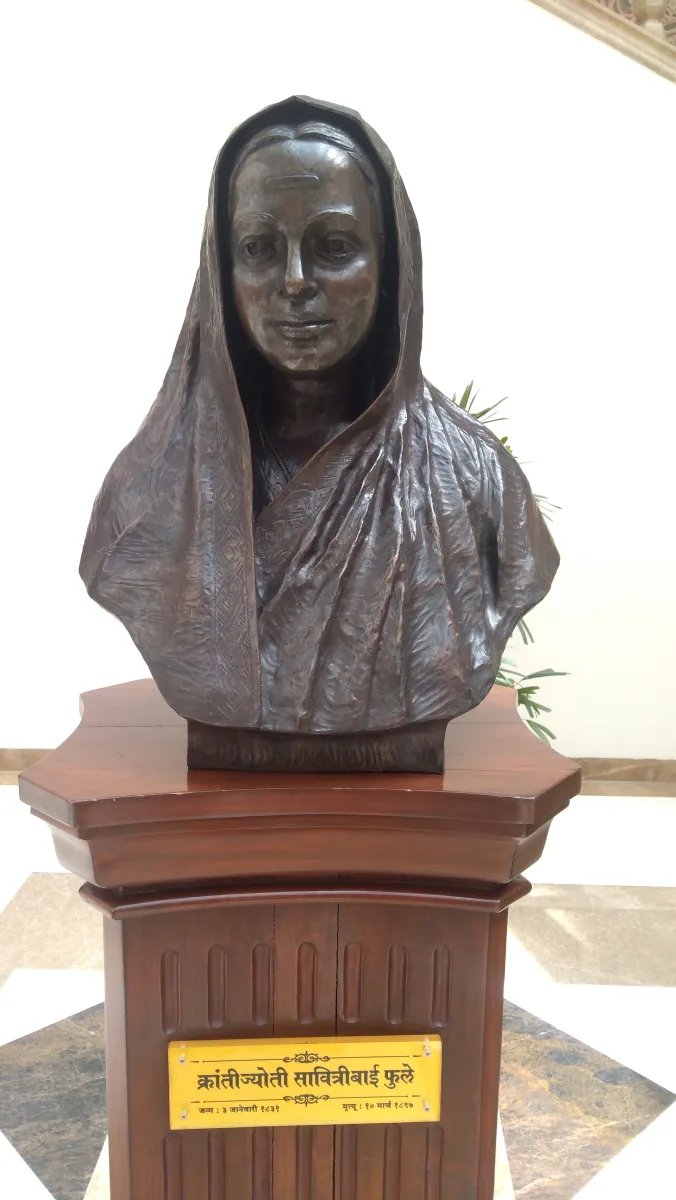 Activism & Humanitarian
Savitribai Phule
Pioneer of women’s education and India’s first woman teacher
1831 – 1897