
Indira Gandhi
Third Prime Minister of India and the only woman to hold the office
- Lived
- 66 yrs
- 1917 – 1984
- Works listed
- 0
- Career highlights
- Honours
- 1
- Most recent 1971
- Profile views
- 0
- 0 followers
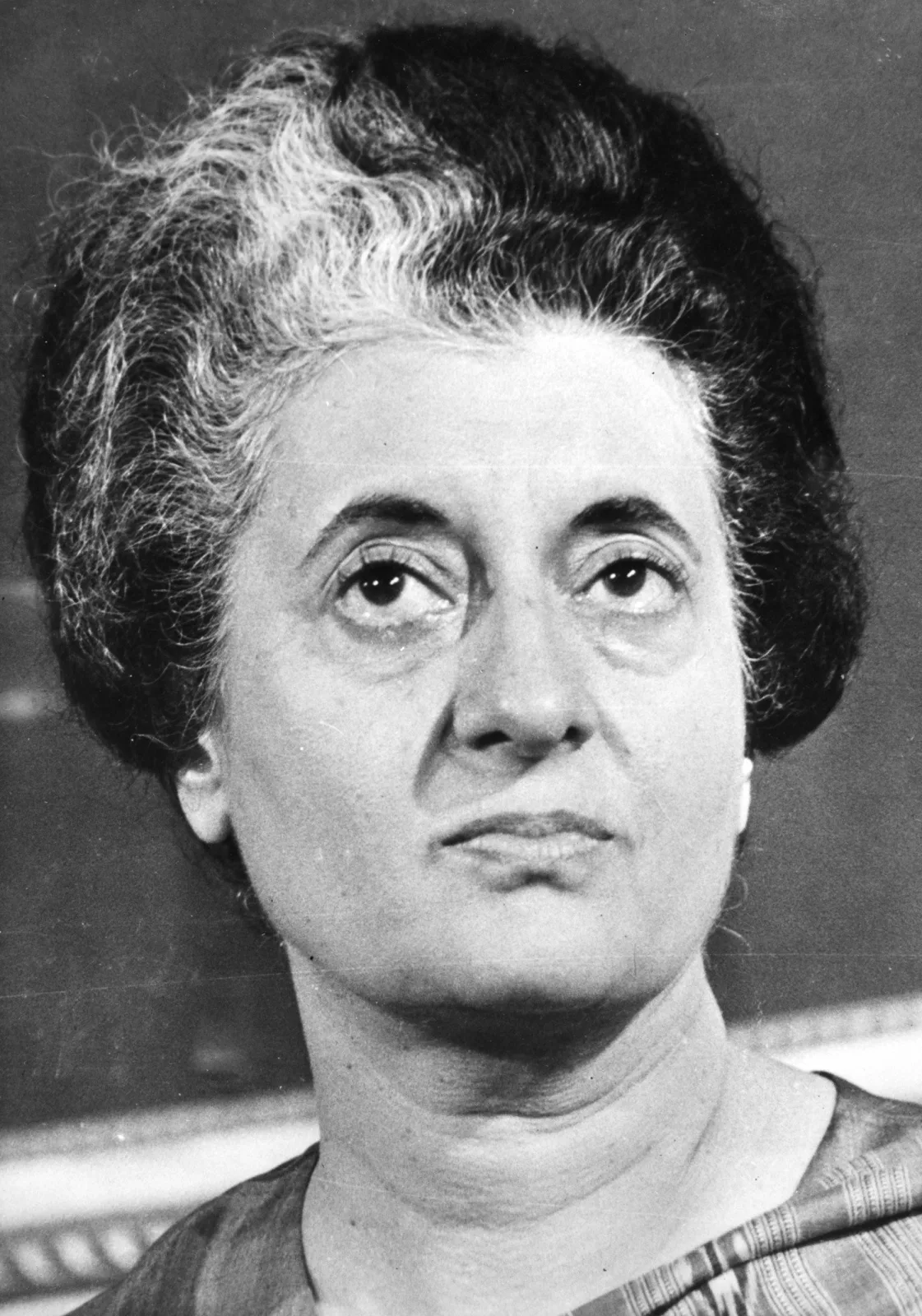
Indira Gandhi was Prime Minister of India from 1966 to 1977 and from 1980 until her assassination in 1984. One of the most powerful leaders of the 20th century, her tenure saw victory in the 1971 war, India’s first nuclear test and the controversial 1975–77 Emergency.
Biography
Early life
The only child of Jawaharlal Nehru and Kamala Nehru, Indira grew up at the centre of the independence movement. She studied at Visva-Bharati in Santiniketan and at Somerville College, Oxford, and in 1942 married Feroze Gandhi, a Congress activist and later parliamentarian. They had two sons, Rajiv and Sanjay.
Rise to power
She served as her father’s official hostess and confidante, became president of the Congress in 1959 and joined Lal Bahadur Shastri’s cabinet as Minister of Information and Broadcasting in 1964. After Shastri’s death in January 1966 she was chosen as Prime Minister.
In 1969 she split the Congress, nationalised the major private banks and moved to abolish the privy purses of former princes. Her 1971 campaign under the slogan “Garibi Hatao” (Remove poverty) won a large majority.
1971 war and the Emergency
In December 1971 India intervened in the crisis in East Pakistan; the war ended in two weeks with the creation of Bangladesh, and she was awarded the Bharat Ratna that year. India conducted its first nuclear test at Pokhran in 1974.
After a court ruling voided her 1971 election, she declared a state of Emergency in June 1975, suspending civil liberties, jailing opposition leaders and censoring the press. She lost the 1977 election to the Janata Party.
Return and assassination
Indira Gandhi returned to power in the 1980 general election. Her final term was marked by an insurgency in Punjab; in June 1984 she ordered the army operation against militants in the Golden Temple, Amritsar. On 31 October 1984 she was assassinated in New Delhi by two of her Sikh bodyguards. Her son Rajiv succeeded her as Prime Minister.
Green Revolution and the economy
Her governments oversaw the Green Revolution, which transformed India from dependence on food aid into self-sufficiency in grain through high-yielding seeds, irrigation and fertilisers. Her economic policies were strongly statist: nationalisation of banks, coal and insurance, tight licensing and the slogan Garibi Hatao. India’s first astronaut, Rakesh Sharma, flew to space in 1984 during her final term.
Legacy and debate
Indira Gandhi is remembered both as a decisive leader who won the 1971 war and made India a regional power, and as the Prime Minister who imposed the Emergency, curtailed press freedom and centralised power. BBC listeners voted her the “Woman of the Millennium” in a 1999 poll.
Timeline
-
1917
Born in Allahabad (Prayagraj), United Provinces
-
1942
Marries Feroze Gandhi
Wedding in Allahabad.
-
1959
President of the Indian National Congress
Elected party president.
-
1964
Minister of Information and Broadcasting
Joins the Union cabinet.
-
1966
Becomes Prime Minister
Sworn in on 24 January.
-
1969
Nationalises 14 major banks
Also splits the Congress party.
-
1969
Congress splits; Congress (R) formed
-
1971
Wins general election and the Bangladesh war
Awarded the Bharat Ratna.
-
1972
Simla Agreement with Pakistan
-
1974
First nuclear test
Pokhran-I, code-named “Smiling Buddha”.
-
1975
Declares the Emergency
Lasts until March 1977.
-
1977
Loses the general election
First Congress defeat.
-
1980
Returns as Prime Minister
Congress wins the general election.
-
1984
Assassinated in New Delhi
On 31 October.
-
1984
Speaks with Rakesh Sharma in space
April.
-
1984
Died, aged 66
Awards and honours
-
Bharat Ratna
1971 · India’s highest civilian honour.
Did you know?
-
1
She is the only woman to have served as Prime Minister of India.
-
2
She was not related to Mahatma Gandhi; the surname came from her husband, Feroze Gandhi.
-
3
Her memorial in Delhi is called Shakti Sthal.
-
4
BBC listeners voted her “Woman of the Millennium” in 1999.
-
5
Her home at 1 Safdarjung Road is now a museum.
-
6
She asked Rakesh Sharma how India looked from space.
Gallery


Connections
Related people
-
 Jawaharlal Nehru
Politics & Leadership · First Prime Minister of India (1947–1964)
Father
-
 Rajiv Gandhi
Politics & Leadership · Sixth Prime Minister of India (1984–1989)
Son
-
 Sonia Gandhi
Politics & Leadership · Longest-serving president of the Indian National Congress
Daughter-in-law
-
 Rahul Gandhi
Politics & Leadership · Leader of the Opposition in the Lok Sabha since 2024
Grandson
-
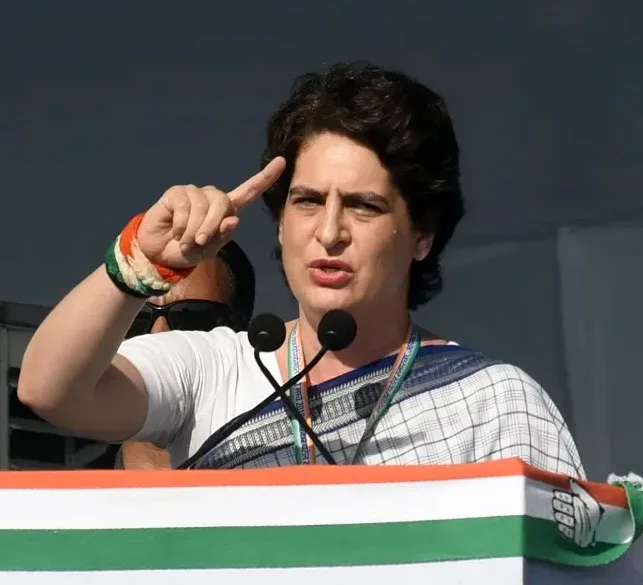 Priyanka Gandhi Vadra
Politics & Leadership · Member of Parliament for Wayanad and Congress general secretary
Granddaughter
-
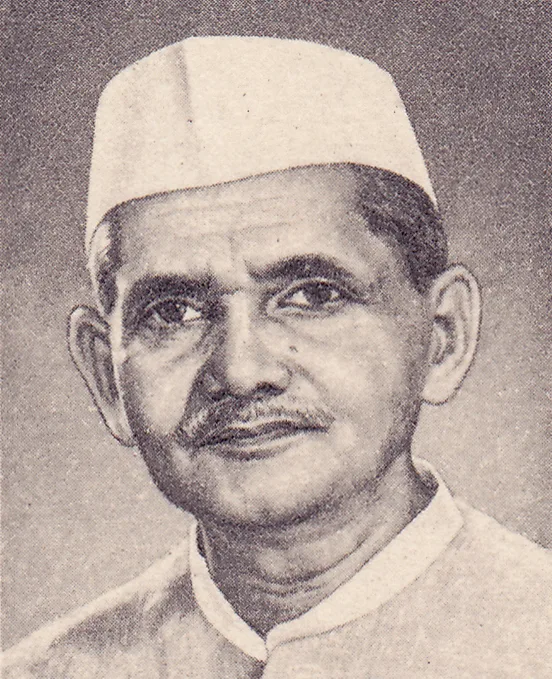 Lal Bahadur Shastri
Politics & Leadership · Second Prime Minister of India (1964–1966)
Predecessor as Prime Minister
-
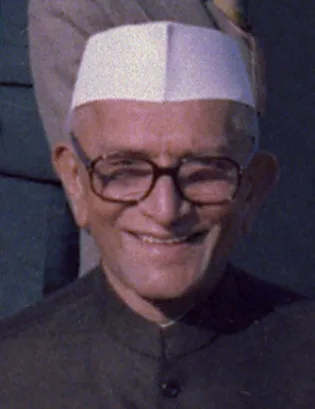 Morarji Desai
Politics & Leadership · Fourth Prime Minister of India and the first from outside the Congress
Successor as Prime Minister (1977)
-
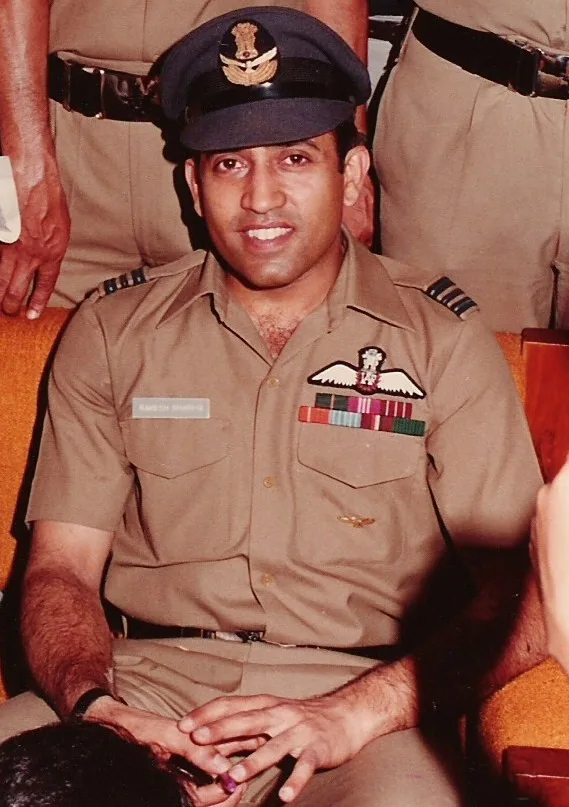 Rakesh Sharma
Space & Exploration · First Indian to travel to space
Spoke with him in space
Also born on 19 November

Frequently asked
Who is Indira Gandhi?
Indira Gandhi was Prime Minister of India from 1966 to 1977 and from 1980 until her assassination in 1984. One of the most powerful leaders of the 20th century, her tenure saw victory in the 1971 war, India’s first nuclear test and the controversial 1975–77 Emergency.
When did Indira Gandhi die?
Indira Gandhi died on 31 October 1984 at the age of 66.
Where is Indira Gandhi from?
Indira Gandhi was born in Allahabad (Prayagraj), United Provinces.
What is Indira Gandhi known for?
Indira Gandhi is best known for The 1971 war and creation of Bangladesh, bank nationalisation, the Emergency.
What awards has Indira Gandhi received?
Notable honours include Bharat Ratna (1971).
Who is Indira Gandhi married to?
Spouse: Feroze Gandhi (m. 1942; died 1960).
References
- Indira Gandhi — Wikipedia. Wikipedia. Retrieved 26 October 2026.
- Indira Gandhi — Britannica. Encyclopaedia Britannica. Retrieved 26 October 2026.
- Indira Gandhi — IMDb. IMDb. Retrieved 26 October 2026.
- Indira Gandhi — Goodreads author page. Goodreads. Retrieved 26 October 2026.
- Indira Gandhi — Hindi Wikipedia. Wikipedia (Hindi). Retrieved 26 October 2026.
- Indira Gandhi (Q1149) — structured data. Wikidata. Retrieved 26 October 2026.
External links
About this profile
- Researched by the TrackFame editors; reviewed by Sanjay Sokal
- First published 26 October 2026
- Last updated
Cite this page
“Indira Gandhi.” TrackFame, last updated 26 October 2026. https://trackfame.com/person/indira-gandhi
Discussion 0
Sign in or create an account to join the discussion.
No comments yet — be the first.
More in Politics & Leadership
 Politics & Leadership
Mahatma Gandhi
Leader of India’s independence movement and pioneer of non-violent resistance
1869 – 1948
 Politics & Leadership
Atal Bihari Vajpayee
Tenth Prime Minister of India and a founder of the Bharatiya Janata Party
1924 – 2018
 Politics & Leadership
Subhas Chandra Bose
Freedom fighter and leader of the Indian National Army
1897 – 1945
Politics & Leadership
Jawaharlal Nehru
First Prime Minister of India (1947–1964)
1889 – 1964
 Politics & Leadership
Rajendra Prasad
First President of India (1950–1962)
1884 – 1963
Politics & Leadership
Morarji Desai
Fourth Prime Minister of India and the first from outside the Congress
1896 – 1995