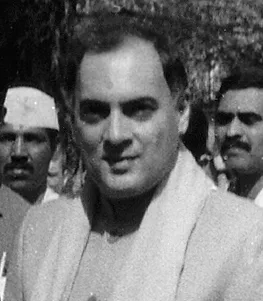
Rajiv Gandhi
Sixth Prime Minister of India (1984–1989)
- Lived
- 46 yrs
- 1944 – 1991
- Works listed
- 0
- Career highlights
- Honours
- 1
- Most recent 1991
- Profile views
- 0
- 0 followers
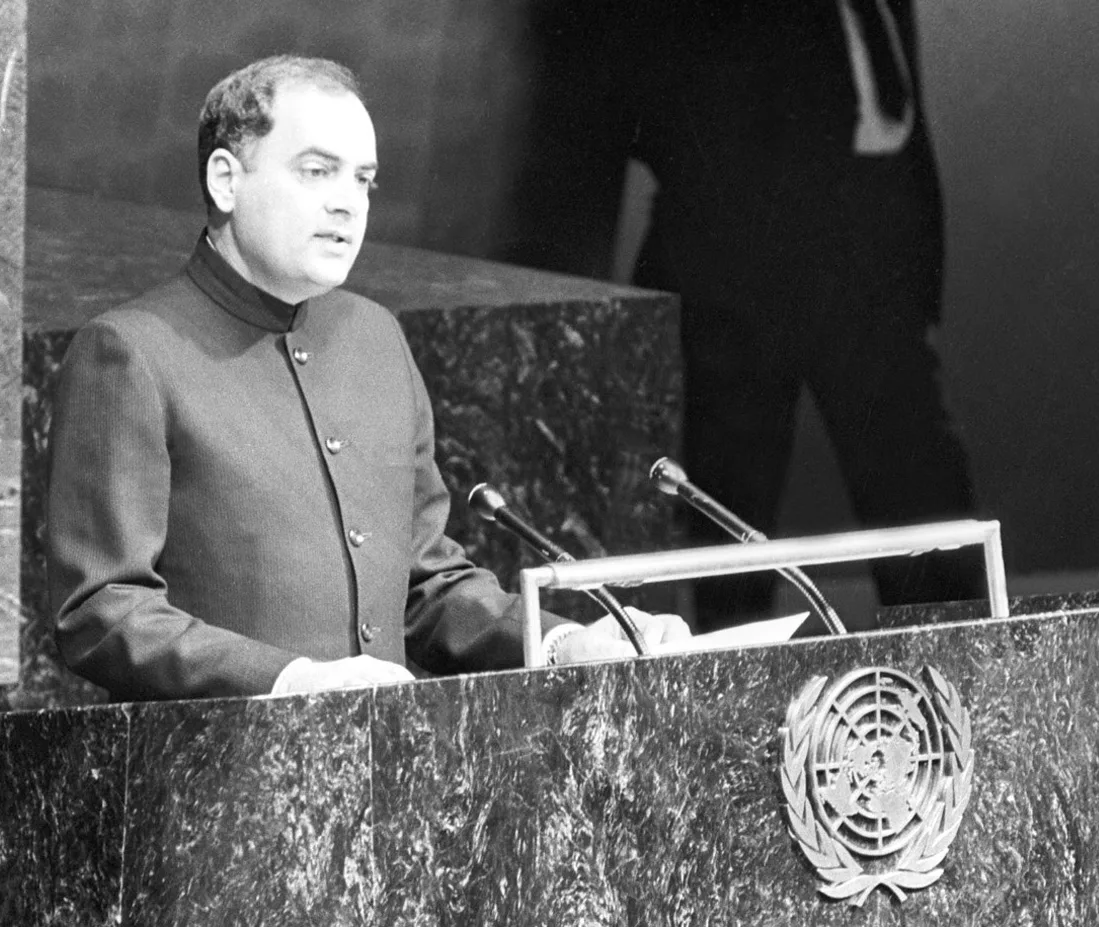
Rajiv Gandhi became India’s youngest Prime Minister at 40 after the assassination of his mother, Indira Gandhi, in 1984. His government pushed telecommunications and computerisation and lowered the voting age to 18. He was assassinated while campaigning in 1991.
Biography
Early life
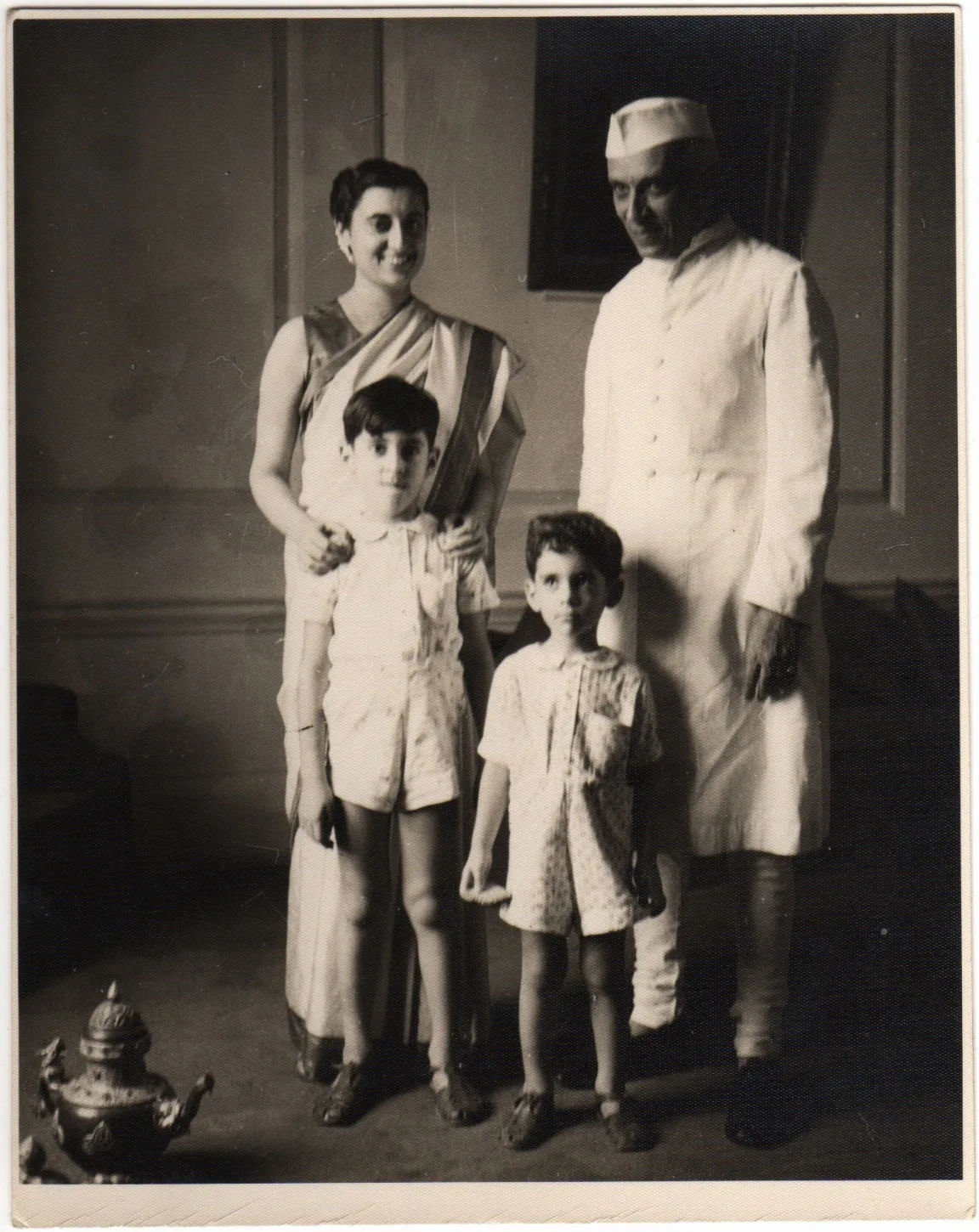
Rajiv Gandhi was the elder son of Indira and Feroze Gandhi. He studied at The Doon School and later at Trinity College, Cambridge, and Imperial College London, without completing a degree. He became a commercial pilot with Indian Airlines and in 1968 married Sonia Maino, whom he had met in Cambridge.
Entry into politics
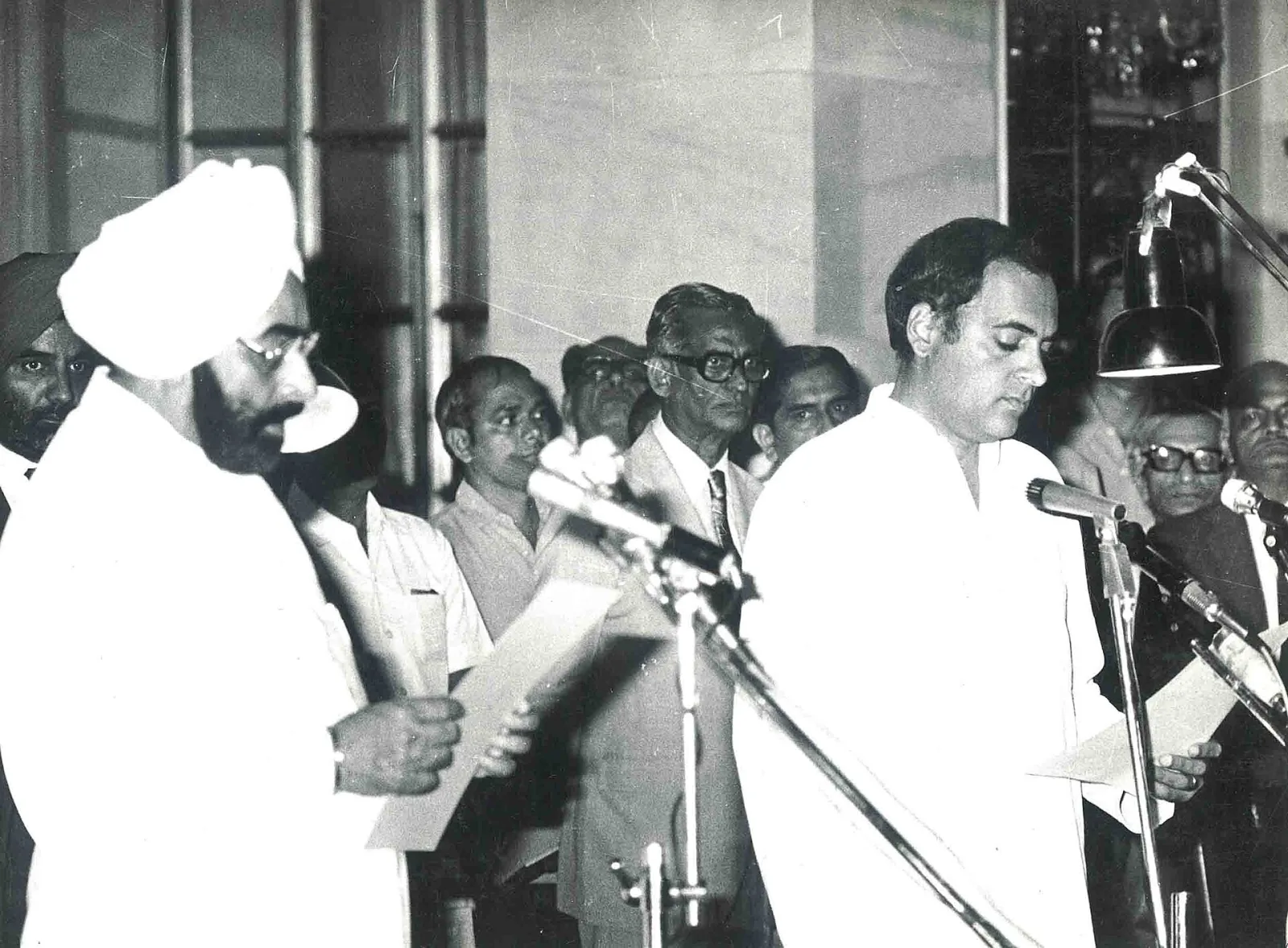
Rajiv showed little interest in politics until his younger brother Sanjay died in a plane crash in 1980. He won Sanjay’s Amethi seat in 1981 and became a general secretary of the Congress. When Indira Gandhi was assassinated on 31 October 1984, he was sworn in as Prime Minister the same day, and in the December 1984 election the Congress won the largest majority in India’s parliamentary history.
Prime Minister
His government encouraged computers and telecommunications, set up the Centre for Development of Telematics (C-DOT), expanded technology missions and passed the constitutional amendment lowering the voting age from 21 to 18. It also signed peace accords in Punjab, Assam and Mizoram.
His tenure was clouded by the Bofors arms-deal controversy and by the Indian Peace Keeping Force’s costly intervention in Sri Lanka. The Congress lost its majority in the 1989 election.
Modernising agenda
Rajiv Gandhi promoted liberalisation of imports for computers and electronics, encouraged software exports and set up technology missions on drinking water, literacy, immunisation, oilseeds, telecom and dairy. His government introduced the National Policy on Education (1986), which created Navodaya Vidyalayas, and proposed giving constitutional status to panchayati raj institutions, enacted after his death.
Assassination and legacy
On 21 May 1991, while campaigning at Sriperumbudur in Tamil Nadu, he was killed by a suicide bomber from the Sri Lankan Tamil militant group LTTE. He was posthumously awarded the Bharat Ratna in 1991. His widow Sonia Gandhi and children Rahul and Priyanka Gandhi later took leading roles in the Congress.
Controversies
His government faced criticism for its handling of the 1984 anti-Sikh riots in Delhi, for overturning the Supreme Court’s Shah Bano judgment through legislation in 1986, and for allegations of kickbacks in the purchase of Bofors guns, which damaged his reputation for clean government.
Timeline
-
1944
Born in Bombay (Mumbai), Bombay Presidency
-
1968
Marries Sonia Maino
Works as an Indian Airlines pilot.
-
1980
Brother Sanjay dies in a plane crash
-
1981
Elected MP from Amethi
Enters politics after his brother Sanjay’s death.
-
1984
Becomes Prime Minister
Sworn in on 31 October; wins a landslide in December.
-
1985
Punjab and Assam accords
Peace agreements signed.
-
1986
National Policy on Education
Navodaya Vidyalayas created.
-
1987
India–Sri Lanka Accord
Indian Peace Keeping Force deployed.
-
1988
61st Amendment lowers the voting age to 18
Takes effect in 1989.
-
1989
Voting age lowered to 18
Congress loses its majority in the general election.
-
1991
Assassinated at Sriperumbudur
Killed on 21 May; awarded the Bharat Ratna posthumously.
-
1991
Died, aged 46
Awards and honours
-
Bharat Ratna
1991 · Awarded posthumously.
Did you know?
-
1
At 40 he remains the youngest person to become Prime Minister of India.
-
2
He flew commercial aircraft for Indian Airlines before entering politics.
-
3
His memorial in Delhi is called Vir Bhumi.
-
4
He is the youngest person to have become Prime Minister of India.
-
5
Navodaya Vidyalaya schools began under his education policy.
-
6
He met his wife Sonia at a restaurant in Cambridge.
Gallery
Connections
Related people
-
 Indira Gandhi
Politics & Leadership · Third Prime Minister of India and the only woman to hold the office
Mother
-
 Jawaharlal Nehru
Politics & Leadership · First Prime Minister of India (1947–1964)
Grandfather
-
 Sonia Gandhi
Politics & Leadership · Longest-serving president of the Indian National Congress
Wife
-
 Rahul Gandhi
Politics & Leadership · Leader of the Opposition in the Lok Sabha since 2024
Son
-
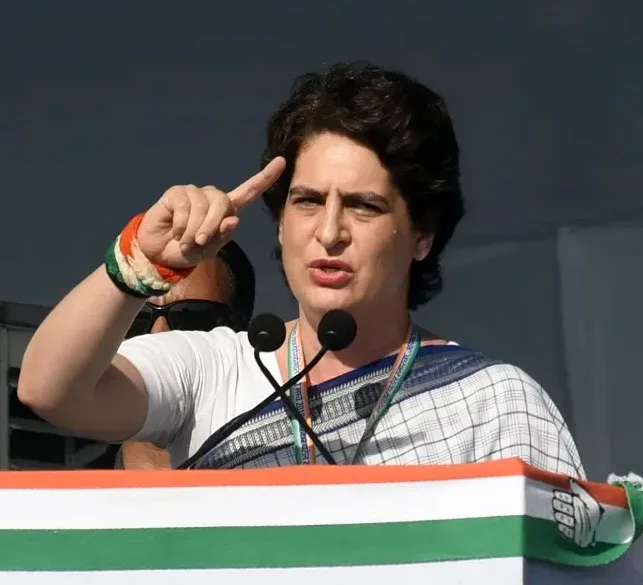 Priyanka Gandhi Vadra
Politics & Leadership · Member of Parliament for Wayanad and Congress general secretary
Daughter

Frequently asked
Who is Rajiv Gandhi?
Rajiv Gandhi became India’s youngest Prime Minister at 40 after the assassination of his mother, Indira Gandhi, in 1984. His government pushed telecommunications and computerisation and lowered the voting age to 18. He was assassinated while campaigning in 1991.
When did Rajiv Gandhi die?
Rajiv Gandhi died on 21 May 1991 at the age of 46.
Where is Rajiv Gandhi from?
Rajiv Gandhi was born in Bombay (Mumbai), Bombay Presidency.
What is Rajiv Gandhi known for?
Rajiv Gandhi is best known for Youngest Prime Minister of India; telecom and computer modernisation; lowering the voting age to 18.
What awards has Rajiv Gandhi received?
Notable honours include Bharat Ratna (1991).
Who is Rajiv Gandhi married to?
Spouse: Sonia Gandhi (m. 1968).
References
- Rajiv Gandhi — Wikipedia. Wikipedia. Retrieved 26 October 2026.
- Rajiv Gandhi — Britannica. Encyclopaedia Britannica. Retrieved 26 October 2026.
- Rajiv Gandhi — IMDb. IMDb. Retrieved 26 October 2026.
- Rajiv Gandhi — Hindi Wikipedia. Wikipedia (Hindi). Retrieved 26 October 2026.
- Rajiv Gandhi (Q4593) — structured data. Wikidata. Retrieved 26 October 2026.
External links
About this profile
- Researched by the TrackFame editors; reviewed by Sanjay Sokal
- First published 26 October 2026
- Last updated
Cite this page
“Rajiv Gandhi.” TrackFame, last updated 26 October 2026. https://trackfame.com/person/rajiv-gandhi
Discussion 0
Sign in or create an account to join the discussion.
No comments yet — be the first.
More in Politics & Leadership
 Politics & Leadership
Vallabhbhai Patel
First Deputy Prime Minister and Home Minister of India
1875 – 1950
 Politics & Leadership
Mahatma Gandhi
Leader of India’s independence movement and pioneer of non-violent resistance
1869 – 1948
Politics & Leadership
Indira Gandhi
Third Prime Minister of India and the only woman to hold the office
1917 – 1984
 Politics & Leadership
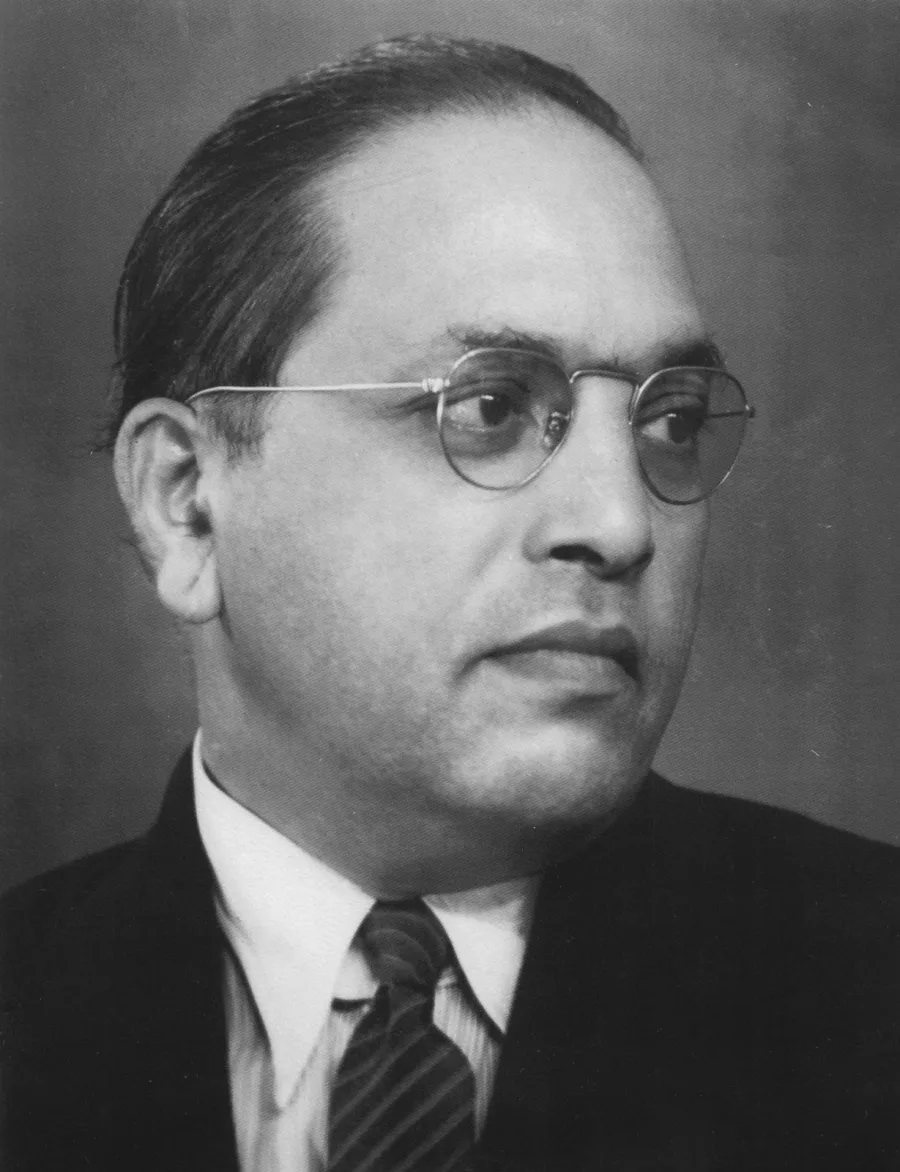
B. R. Ambedkar
Principal architect of the Constitution of India and India’s first Law Minister
1891 – 1956
Politics & Leadership
Jawaharlal Nehru
First Prime Minister of India (1947–1964)
1889 – 1964
 Politics & Leadership
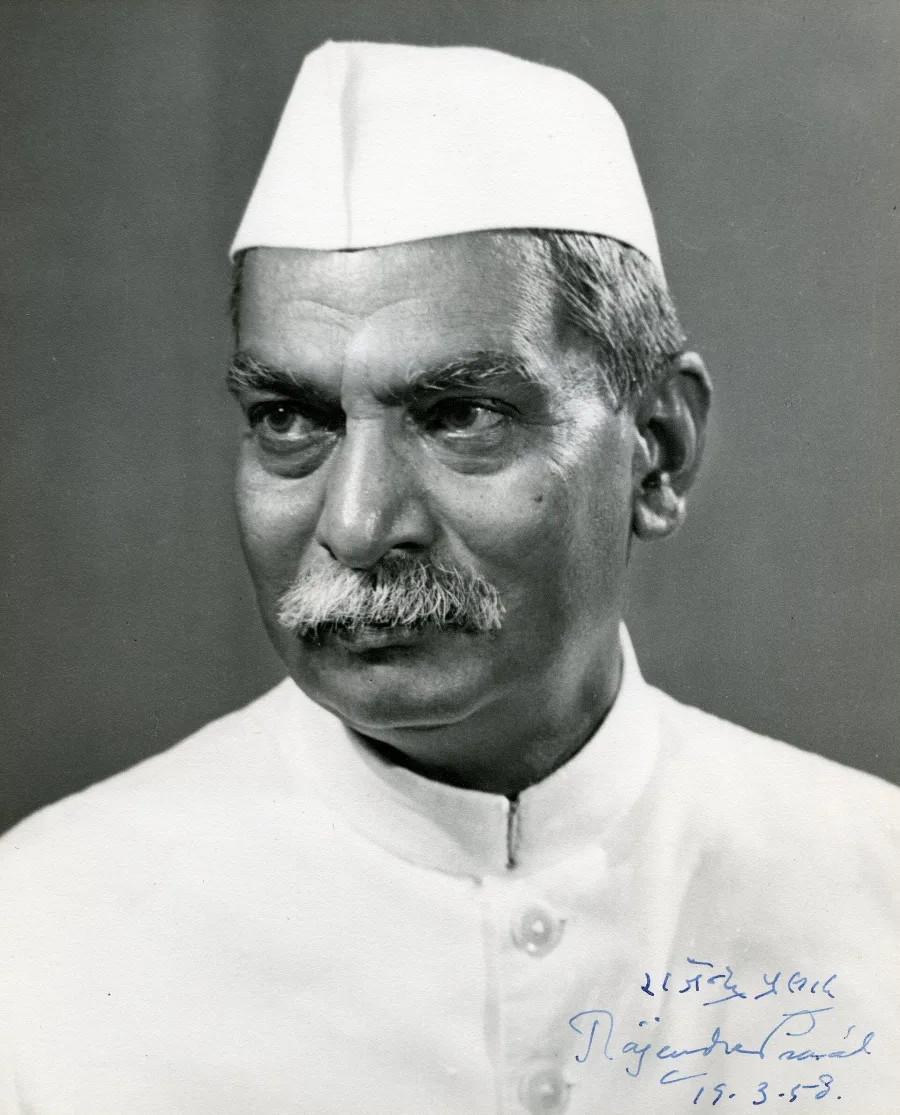
Rajendra Prasad
First President of India (1950–1962)
1884 – 1963